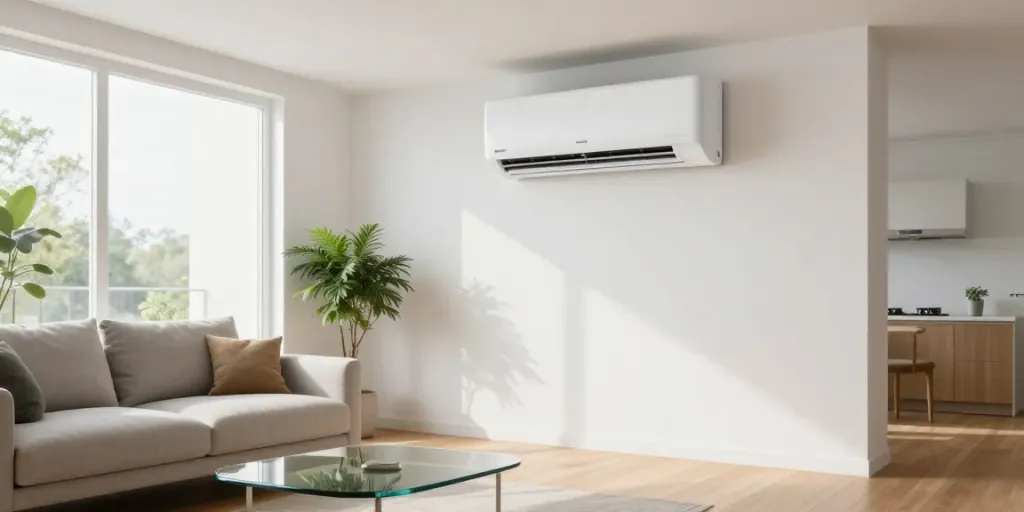
Understanding Your Mini Split 24000 BTU System
As we continue to seek innovative solutions for heating and cooling our spaces, the mini split 24000 btu system has emerged as a popular choice for homeowners and businesses alike. These versatile systems are designed to provide efficient climate control for larger areas, making them ideal for a variety of settings, from expansive open-concept homes to commercial spaces. Understanding the functionality, features, and advantages of these systems is crucial for making an informed buying decision.
What is a Mini Split System?
A mini split system, also known as a ductless mini split, consists of an outdoor compressor unit and one or more indoor air handling units. This design allows for zoned heating and cooling without the need for ductwork. The flexibility of mini split systems allows users to control the temperature in different rooms or areas of a building independently. With the 24000 BTU capacity, these systems can effectively heat or cool spaces of up to 1,000 square feet, making them suitable for larger areas.
Key Features of 24000 BTU Models
- Energy Efficiency: Many 24000 BTU mini splits boast high SEER (Seasonal Energy Efficiency Ratio) ratings, indicating superior efficiency compared to traditional HVAC systems.
- Zoned Control: This feature allows you to set different temperatures for different areas, potentially leading to significant energy savings.
- Quiet Operation: Unlike traditional air conditioning units, mini splits operate quietly, ensuring a comfortable environment without disruptive noise.
- Versatile Installation: Mini splits can be mounted on walls, ceilings, or floors, and do not require extensive renovations to install.
How Mini Splits Compare to Traditional HVAC Systems
When comparing mini splits to traditional HVAC systems, several factors come into play. Traditional systems require ductwork, which can be costly and inefficient, especially in older homes. Mini splits eliminate this need, allowing for easier installation and reduced energy losses associated with duct leaks. Additionally, mini splits are equipped with advanced technology to regulate temperatures more precisely, making them a more efficient choice for many households.
Installation Considerations for Mini Split 24000 BTU
Installing a mini split 24000 BTU system involves several considerations to ensure optimal performance and longevity. Proper installation not only affects the system's efficiency but also impacts your overall comfort levels.
Choosing the Right Location for Installation
To maximize the efficiency of your mini split system, consider the following tips when selecting an installation location:
- Indoor Unit Placement: Locate indoor units where they can effectively circulate air, away from obstructions like furniture or curtains.
- Outdoor Unit Positioning: The outdoor unit should be installed in a shaded area to enhance its efficiency and protect it from direct weather impacts.
- Accessibility: Ensure both indoor and outdoor units are easily accessible for maintenance and repairs.
Common Installation Pitfalls to Avoid
When installing a mini split system, avoid these common pitfalls:
- Improper sizing of the units, which can lead to inadequate heating or cooling.
- Ignoring local building codes and regulations, which can result in compliance issues.
- Failing to hire a certified technician for installation, risking improper setup.
Understanding Wiring and Electrical Requirements
Each mini split system has specific wiring and electrical specifications. Ensure that you check the electrical requirements before installation to avoid any compatibility issues. Additionally, hiring a licensed electrician can help ensure that all electrical connections are safe and up to code.
Maintenance Tips for Optimal Performance
Regular maintenance is essential to keep your mini split system running efficiently. Neglecting maintenance can lead to performance issues and increased energy costs.
Regular Cleaning and Filter Replacement
Cleaning the outdoor and indoor units regularly is crucial. Homeowners should:
- Clean the filters every month or as recommended by the manufacturer.
- Wash the outdoor unit’s coils to prevent dirt buildup, which can impede efficiency.
- Inspect drainage lines for blockages to avoid water damage.
Seasonal Maintenance Checklist
A seasonal maintenance checklist might include:
- Inspecting the refrigerant levels to ensure proper cooling and heating performance.
- Checking electrical connections and tightening any loose connections.
- Assessing the overall performance of the system during extreme weather conditions.
Signs Your Mini Split Needs Professional Service
Be alert for signs that your mini split may need professional servicing, including:
- Inconsistent heating or cooling throughout the spaces.
- Strange noises coming from the unit.
- Unusual smells indicating potential electrical or mechanical issues.
Energy Efficiency and Cost Savings
Energy efficiency is a significant consideration when investing in a mini split system. Understanding efficiency ratings and how to reduce energy consumption can lead to long-term savings.
Understanding SEER Ratings and Their Importance
SEER ratings measure the efficiency of air conditioners and heat pumps. A higher SEER rating indicates better energy efficiency, which directly correlates to lower utility bills. When shopping for a mini split 24000 BTU, aim for a unit with a SEER rating of 16 or above for optimal efficiency.
Tips for Reducing Energy Consumption
To enhance the energy efficiency of your mini split system:
- Set the temperature to a comfortable yet energy-saving level (around 75°F in summer and 68°F in winter).
- Utilize programmable thermostats to reduce energy use when you are not at home.
- Seal any leaks in windows and doors to keep the conditioned air inside.
How to Calculate Long-Term Savings
To estimate your long-term savings:
- Determine the average monthly cost of your current HVAC system.
- Estimate the projected monthly cost of operating a mini split with its SEER rating.
- Consider the lifespan of the mini split system, typically around 15-20 years, to calculate overall savings.
Future Trends in Mini Split Technology (2026 and Beyond)
The mini split industry is heading toward exciting innovations in technology, energy efficiency, and consumer preferences.
Smart Features and Automation in Mini Splits
Smart technology is increasingly being integrated into mini split systems. Features like Wi-Fi connectivity allow users to control their heating and cooling remotely through smartphones, enhancing convenience and energy management.
Upcoming Innovations in Energy Efficiency
As environmental concerns rise, manufacturers are focusing on creating systems that use eco-friendly refrigerants and higher SEER ratings to meet consumer demand for sustainable products. Expect to see more units that harness renewable energy in the near future.
Market Trends and Consumer Preferences
As preferences shift toward sustainable and smart home technologies, the demand for mini split systems is expected to grow, influenced by the need for personalized and efficient home comfort solutions.
How Many Square Feet Will a 24000 BTU Mini Split Cool?
A 24000 BTU mini split is typically capable of cooling spaces up to 1,000 square feet. However, factors such as ceiling height, insulation quality, and sunlight exposure can affect this capacity. It’s important to consider these elements when determining if this capacity is suitable for your needs.
What is the Installation Cost of a 24000 BTU Mini Split System?
Installation costs for a 24000 BTU mini split system can range between $2,000 to $6,000, depending on factors such as the complexity of the installation, local labor rates, and any additional materials required. Always get multiple quotes from certified installers to ensure competitive pricing.
What are the Best Practices for Installing a Mini Split?
Best practices for installing a mini split include obtaining the necessary permits, using certified installers, and ensuring proper unit sizing. Regular follow-up maintenance should also be planned to keep the system performing at its best.
How to Select the Best 24000 BTU Mini Split for Your Needs?
Selecting the right mini split involves considering your specific cooling and heating needs, the layout of your space, and the energy efficiency ratings of the units available. Always research well and consult with professionals when making your choice.