Understanding Emergency Plumbing Services
Emergency plumbing issues can arise unexpectedly, often at the most inconvenient times. Whether it’s a pipe bursting in the middle of the night or a severe clog causing water to back up into your home, knowing how to address these challenges is essential for every homeowner. Understanding the nuances of emergency plumbing services is vital for navigating these urgent situations effectively. For further information on immediate plumbing support, this page provides comprehensive insights into available services.
What Constitutes an Emergency Plumbing Situation?
An emergency plumbing situation typically involves any scenario that poses an immediate threat to your home or health. This includes severe leaks, overflowing toilets, or broken water heaters, which can lead to significant damage if not addressed promptly. Emergency plumbing is not just about convenience; it’s also about preventing further complications that could arise from neglected plumbing issues.
Common Plumbing Issues That Require Immediate Attention
- Burst Pipes: When pipes burst, they can cause flooding, leading to water damage and mold growth.
- Overflowing Toilets: This can create unsanitary conditions and requires immediate intervention.
- Blocked Drains: Severe blockages can lead to backups, posing a risk to your plumbing system.
- Water Heater Failures: Loss of hot water, especially during winter, is a critical issue that necessitates quick action.
How to Identify When to Call a Plumber
Knowing when to call a plumber can save you time and money. If you notice water pooling in your home, hear strange noises from your pipes, or experience significantly low water pressure, it’s best to reach out to a professional immediately. Additionally, if you have any doubts about the severity of a plumbing issue, erring on the side of caution is advisable.
Choosing the Right Emergency Plumber
Choosing an emergency plumber can be a daunting task, especially in a crisis. You’ll want to ensure that the plumber you choose is well-suited to resolve your plumbing problems efficiently and effectively. Understanding what to look for in an emergency plumber will provide you with the peace of mind needed during stressful times.
Key Qualities to Look for in a Plumber
When selecting an emergency plumber, consider the following qualities:
- Licensing and Insurance: Ensure that the plumber is licensed and insured to perform work in your area.
- Experience: Look for a plumber with a proven track record of handling emergencies.
- Availability: Emergency plumbers should be available 24/7 to address urgent issues.
- Transparent Pricing: A good plumber will provide clear, upfront pricing without hidden fees.
Evaluating Local Plumbing Services
Research local plumbing services to find the best option for your needs. Look for companies that specialize in emergency plumbing, as they will have the necessary resources and expertise. Local directories, social media, and professional review sites can provide insights into the reputations of different plumbing services.
Reading Reviews and Feedback from Other Clients
Customer reviews can be invaluable when selecting an emergency plumber. Positive feedback may indicate reliability and quality of service, while negative reviews can highlight potential red flags. Take time to read multiple reviews and look for patterns in the feedback before making your decision.
The Process of Emergency Plumbing
Understanding the steps involved in emergency plumbing can help homeowners feel more prepared when faced with a plumbing crisis. Each situation is unique, but the process generally follows a pattern to ensure that issues are resolved swiftly and efficiently.
Steps Taken by Plumbers in a Crisis
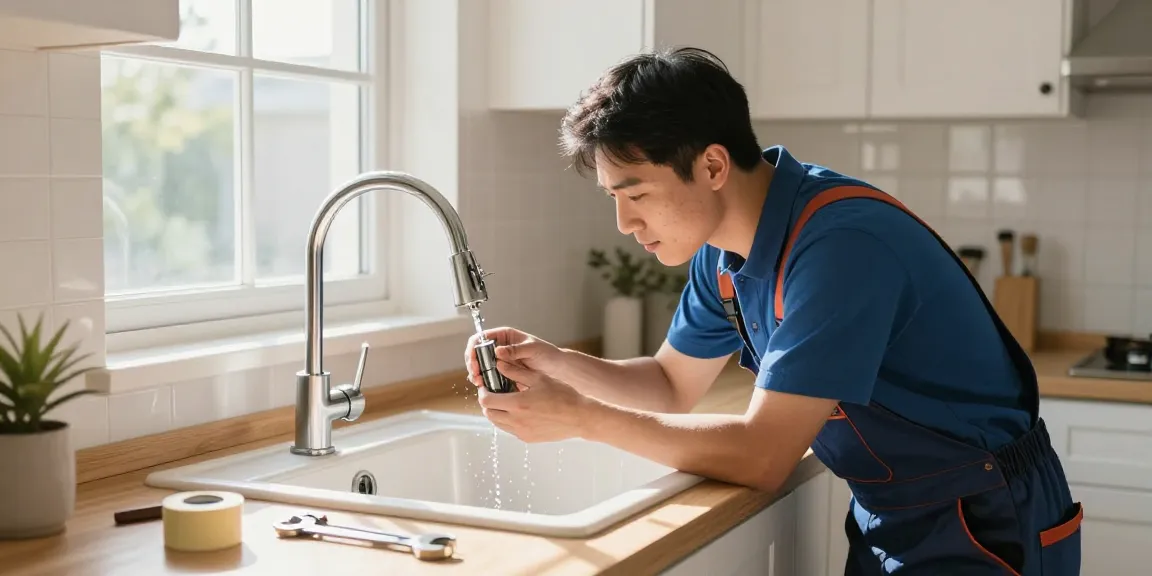
- Assessment: Upon arrival, the plumber will first assess the situation to determine the source of the problem.
- Mitigation: The plumber will then take immediate steps to mitigate any damage, such as shutting off the water supply.
- Repair: Next, the plumber will perform the necessary repairs to rectify the issue.
- Final Inspection: Finally, the plumber will inspect the area to ensure everything is functioning correctly.
Essential Tools and Equipment Used
Emergency plumbers come equipped with a variety of tools that enable them to tackle urgent problems efficiently. Some of the most essential tools include:
- Pipe wrenches and pliers for tightening and loosening fittings
- Pipe cutters for clean cuts in various materials
- Drain snakes for clearing clogs
- Water detection devices to identify leaks quickly
Best Practices for Efficient Resolution
To ensure a swift resolution during an emergency plumbing situation, professional plumbers follow several best practices. They prioritize effective communication with homeowners, explain the nature of the problems clearly, and provide estimates for repairs before proceeding. This transparency helps build trust while efficiently managing the problem at hand.
Preventive Measures for Homeowners
While emergency plumbing services are invaluable, homeowners can take proactive measures to prevent plumbing problems from escalating. Regular maintenance and awareness can save significant costs and inconveniences in the long run.
Regular Maintenance Tips for Plumbing Systems
Establishing a regular maintenance schedule for your plumbing system is one of the best ways to prevent emergencies. Simple tasks such as:
- Inspecting pipes for signs of wear and tear
- Flushing your water heater annually
- Regularly checking for leaks around fixtures
can go a long way in ensuring your plumbing remains in good working condition.
How to Avoid Common Plumbing Emergencies
Many plumbing emergencies can be avoided with proper care. Avoid pouring grease down drains, ensure toilets are functioning correctly, and never ignore slow drains. Being vigilant about these common issues can significantly reduce the likelihood of needing emergency services.
Seasonal Precautions to Protect Your Plumbing
Seasonal changes can impact your plumbing system significantly. In winter, for example, insulate pipes to prevent freezing. During heavy rains, clear gutters and downspouts to prevent water accumulation around your foundation. Taking these precautions can safeguard your plumbing throughout the year.
Future Trends in Plumbing Services
The plumbing industry continues to evolve, embracing technology and innovative practices that improve service efficiency and customer experience. Understanding these trends can help homeowners and businesses alike stay informed about the future of plumbing services.
Technological Innovations in Emergency Plumbing
With the advent of smart home technology, many plumbing companies are integrating systems that allow for real-time monitoring of your plumbing. For instance, smart water sensors can alert you to leaks before they escalate into larger problems, providing peace of mind and potentially saving thousands in damages.
Predicted Changes in Plumbing Regulations
As concerns over environmental sustainability grow, plumbing regulations are likely to become stricter. New standards may focus on water conservation and the use of eco-friendly materials in plumbing installations, encouraging homeowners to adapt to these changes.
Emerging Methods to Enhance Customer Experience
Customer experience is becoming a top priority for plumbing services. Many companies are now offering online booking and consultation, providing customers with greater flexibility. Additionally, enhanced communication through apps and messaging services allows homeowners to stay informed throughout the service process.
What should I do in a plumbing emergency?
In a plumbing emergency, the first step is to turn off the water supply to prevent further damage. Next, call a qualified emergency plumber to assess and address the situation. Avoid attempting to fix the problem yourself, as this may exacerbate the issue.
How can I find a reliable emergency plumber?
To find a reliable emergency plumber, ask for recommendations from friends or family, read online reviews, and check for credentials. Make sure the plumber is licensed and insured, and don’t hesitate to ask for references.
What are signs of a plumbing emergency?
Signs of a plumbing emergency include sudden water leaks, foul odors from drains, frequent clogs, and a lack of hot water. If you notice any of these symptoms, it’s essential to call a professional immediately.
How much does emergency plumbing typically cost?
The cost for emergency plumbing can vary based on the nature of the problem, the time of day, and the plumber’s pricing structure. On average, expect to pay anywhere from £75 to £200 per hour, with potential additional costs for parts and materials.
Can I perform any repairs myself before a plumber arrives?
While it’s best to wait for a professional, you can perform minor tasks such as turning off the water supply or clearing small debris from drains. However, avoid making extensive repairs, as this can lead to further complications.