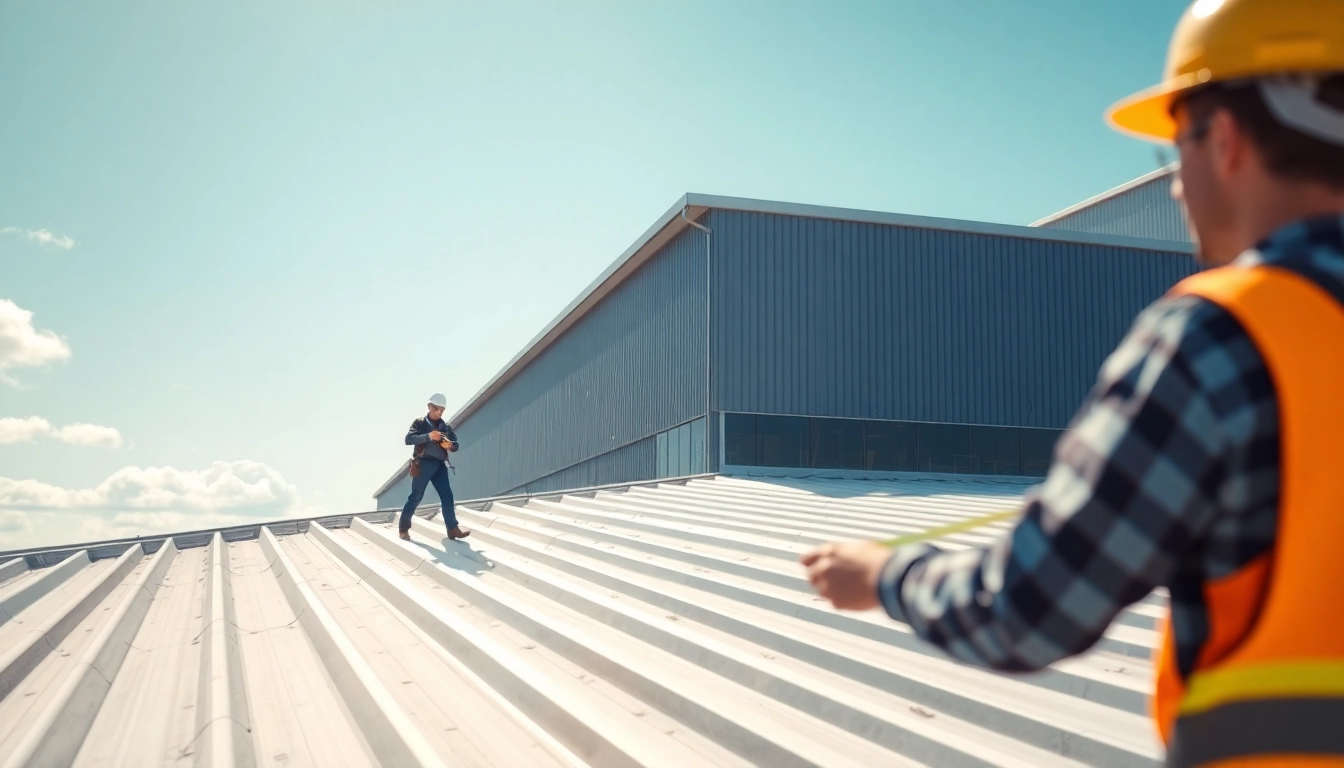
Understanding the Importance of Commercial Roofing Services
In today’s business landscape, the integrity of a building’s roof is one of the most crucial components of facility management. It’s not merely about having a roof over your head; it plays a pivotal role in the overall safety, efficiency, and aesthetic appeal of your business. Investing in high-quality commercial roofing services ensures that your business is well-protected from the elements while also maintaining optimal operational conditions. This article delves into the various aspects of commercial roofing, emphasizing why it deserves your attention.
What Are Commercial Roofing Services?
Commercial roofing services encompass a range of solutions designed to cater to the needs of various commercial properties. This may include installation, repair, and maintenance of roofing systems suitable for businesses, warehouses, shopping centers, and other large-scale buildings. Unlike residential roofing, which typically features sloped designs, commercial roofs often include flat or low-slope configurations that require specialized knowledge and expertise.
These services can be further broken down into several categories:
- Installation: The primary process of laying down a new roof tailored to a specific facility’s needs.
- Repair: Addressing existing issues such as leaks, punctures, or structural damage.
- Maintenance: Routine checks and upkeep to prolong the life of the roofing system.
- Inspection: Comprehensive assessments to identify any potential issues before they escalate.
Benefits of Quality Roofing Solutions
Quality roofing solutions provide numerous benefits that extend beyond just protecting the building. Here are some key advantages:
- Longevity: A well-installed and maintained roof can last several decades, saving costs in replacements.
- Energy Efficiency: Quality materials offer better insulation, reducing heating and cooling costs.
- Increased Property Value: A durable roof enhances the overall aesthetic and operational value of the building.
- Safety: Proper roofing prevents hazards such as leaks and structural failures that can jeopardize the safety of occupants.
- Regulatory Compliance: Quality roofing can ensure compliance with building codes and regulations, minimizing legal risks.
Common Types of Commercial Roofing Systems
Understanding the various commercial roofing systems available can help business owners make informed decisions. Here are some of the most common types:
- EPDM (Ethylene Propylene Diene Monomer): A popular choice for flat roofs, known for its durability and resistance to harsh weather.
- TPO (Thermoplastic Olefin): An energy-efficient option with a reflective surface that helps in reducing cooling costs.
- Modified Bitumen: This system is designed for flat roofs and is highly resistant to tearing.
- Metal Roofing: Extremely durable and often used for low-slope applications; offers great longevity.
- Built-Up Roofing (BUR): A traditional method that uses multiple layers of material; provides excellent waterproofing.
Choosing the Right Commercial Roofing Services for Your Business
With such a vital aspect of your business at stake, selecting the right commercial roofing services is paramount. Here are essential factors to consider:
Factors to Consider When Selecting a Contractor
Choosing a roofing contractor is not a decision to be taken lightly. Here are several important factors:
- Experience: Look for contractors with substantial experience in commercial roofing projects similar to yours.
- Reputation: Search for online reviews and testimonials to gauge contractor reliability and quality of work.
- Licensing and Insurance: Ensure that the contractor is licensed to operate in your state and has adequate insurance coverage.
- Warranty Offers: Inquire about warranties for both materials and workmanship, as these are indicators of a contractor’s confidence in their services.
- Detailed Proposal: A good contractor will provide a comprehensive proposal outlining the scope of work, materials used, timelines, and estimates.
Evaluating Roofing Materials and Options
Once you’ve selected a contractor, you will have to make decisions about the roofing materials and systems. Considerations include:
- Climate: Select materials that are best suited to your area’s weather patterns, whether hot, cold, or prone to extreme weather.
- Architecture: The roof style should complement the overall architecture of your business premises.
- Budget: While you should not compromise on quality, it’s crucial to select materials that fit your financial framework.
- Insulation and Energy Efficiency: Opt for materials that provide better insulation to enhance energy efficiency and reduce operating costs.
Understanding Project Timelines and Costs
The timeline and cost for a roofing project can vary significantly based on the size, type of roof, and scope of work involved. Factors that can influence these elements include:
- Size of Roof: Larger roofs naturally take more time to install.
- Material Type: Some materials are more complex to install and may require specialized labor.
- Weather Conditions: Adverse weather can cause delays in the project timeline.
- Accessibility: The location of the building can affect how easily materials can be transported and the work can be done.
Signs Your Business Needs Commercial Roofing Services
Being proactive about roof maintenance can prevent severe and costly problems down the line. Here are some indicators that your roof may need attention:
Identifying Roof Damage and Wear
Regular inspections can help identify early signs of roof damage. Look for the following:
- Buckling or Curling Shingles: These often indicate age or poor installation.
- Cracked or Blistered Roof Surface: Particularly relevant for flat roofs that are not maintaining their integrity.
- Frayed Edges: Indicative of wear and tear that could lead to leaks.
Signs of Leaks and Water Damage
Water leaks are often a sign that your roof is compromised. Common signs include:
- Water Stains: Visible stains on walls or ceilings can indicate leaks.
- Mold or Mildew: These can flourish in moist environments, often as a result of leaks.
- Peeling Paint: Occurring in conjunction with other signs, this can be a warning sign of water intrusion.
Indicators for Roof Replacement vs. Repair
It can sometimes be challenging to decide whether to repair or replace a roof. Key indicators include:
- Extent of Damage: For extensive damage, replacement may be more cost-effective than multiple repairs.
- Age of Roof: If the roof is nearing the end of its expected lifespan, replacement is likely the better option.
- Building Codes: Local regulations might dictate that older roofs must meet current standards if they are to be replaced.
Best Practices for Maintaining Commercial Roofs
Once you have your roof installed, maintaining it is crucial to extending its lifespan and preserving the integrity of your building. Here are best practices to consider:
Regular Inspection and Maintenance Plans
Setting up a routine inspection and maintenance plan can help catch minor issues before they escalate into significant problems. Consider the following:
- Professional Inspections: Hire professionals annually to check for issues beyond a standard visual assessment.
- Debris Cleanup: Regularly remove debris such as leaves and branches that can accumulate on the roof and lead to clogging or moisture traps.
- Gutter Maintenance: Ensure gutters are clear and functioning to prevent water pooling on the roof.
Seasonal Preparations for Extreme Weather
Preparing your roof for seasonal changes can help prevent weather-related damages:
- Winterizing: Check for loose shingles or cracks before storms; consider roof de-icing systems if applicable.
- Spring Cleaning: After winter, inspect for any damage or debris build-up.
- Summer Checks: Monitor for excessive heat impact and potential UV damage, particularly to flat roofs.
Keeping Records of Roof Maintenance Activities
Documenting all maintenance activities can support your long-term maintenance goals:
- Service Records: Keep a detailed log of inspections, maintenance, and repairs conducted on the roof.
- Photos: Consider maintaining a photographic record of the roof’s condition over time to visualize changes and problem areas.
- Warranty Documentation: Store warranty paperwork in a safe place, as it will be important for future repairs or replacements.
Future Trends in Commercial Roofing Services
The world of commercial roofing is evolving continually with new technologies and practices reshaping the landscape. Here are some key trends to watch:
Innovation in Roofing Materials and Technologies
Technological advancements are leading to the development of new, more efficient roofing materials:
- Reflective Materials: These materials are designed to minimize heat absorption and improve energy efficiency.
- Advanced Waterproofing Technologies: Innovations that enhance the waterproof capabilities of roofing systems are constantly improving reliability.
- High-Durability Materials: More resilient materials that withstand extreme weather and climate changes are being introduced.
Eco-Friendly and Sustainable Roofing Solutions
As sustainability continues to become a priority, eco-friendly roofing options are gaining traction:
- Green Roofs: These involve living plants on the roof, which can improve air quality and reduce urban heat.
- Recycled Materials: Many new roofing products are being made from recycled content, reducing waste and environmental impact.
- Energy-Producing Roofs: Roofs that integrate solar panels or other energy systems are becoming more common.
Smart Roofing Systems for Energy Efficiency
Smart technologies are being integrated into commercial roofing systems to promote energy efficiency:
- Roof Monitoring Systems: Technology that monitors the health and efficiency of the roofing, alerting owners to potential problems.
- Building Information Modeling (BIM): Digital representations of physical roofs can assist in planning and maintenance.
- Energy Management Systems: Integrating roofing with smart building technology to optimize energy use throughout the facility.