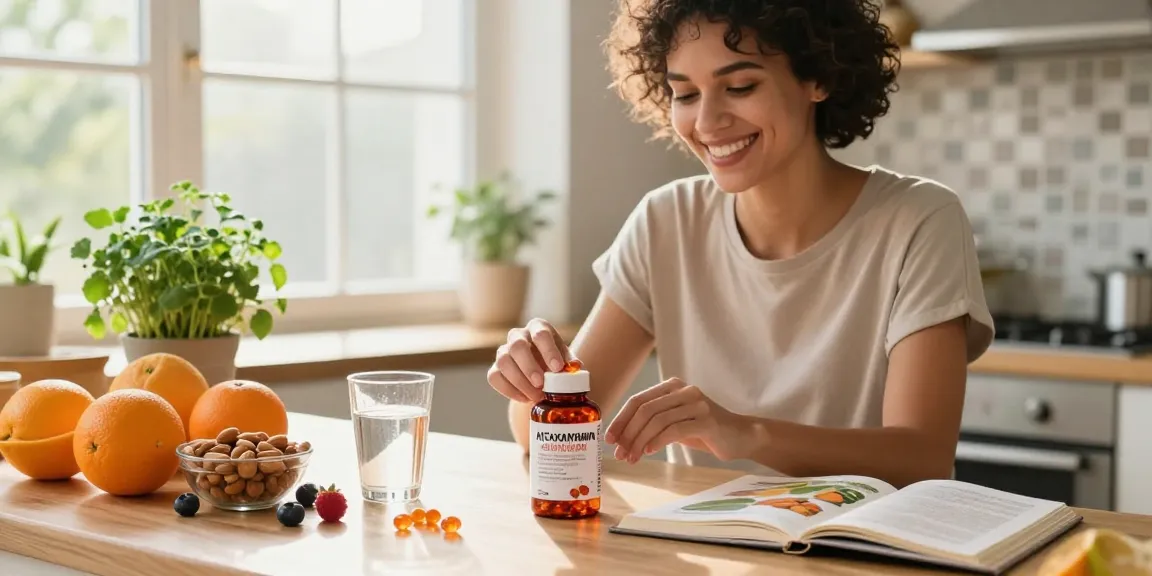
What Are Astaxanthin Softgels?
Astaxanthin softgels are a popular dietary supplement derived from a powerful carotenoid known as astaxanthin. This vibrant pigment is naturally found in marine organisms such as salmon, shrimp, and microalgae. Recognized for its exceptional antioxidant properties, astaxanthin has gained traction not only among health enthusiasts but also in the beauty and wellness industries. As consumers increasingly seek natural solutions to enhance their health, astaxanthin softgels provide an accessible means of incorporating this potent compound into their daily routine.
Understanding Astaxanthin and Its Source
Astaxanthin is a keto-carotenoid that belongs to the same family as beta-carotene and lutein. It is predominantly sourced from certain species of microalgae, specifically Haematococcus pluvialis, which is revered for its high astaxanthin content. When marine animals consume these microalgae, the astaxanthin bioaccumulates in their flesh, giving them a distinct pinkish hue. This natural origin is crucial, as it underlines the importance of quality and sourcing when choosing astaxanthin supplements, especially in a market flooded with synthetic alternatives.
Benefits of Using Astaxanthin Softgels
The benefits of incorporating astaxanthin softgels into your diet are substantial. Not only do they act as powerful antioxidants, but they also facilitate the reduction of oxidative stress and inflammation within the body. This can translate into a variety of health benefits, including improved skin health, enhanced stamina, and better joint function. Additionally, astaxanthin's ability to cross the blood-brain barrier allows it to exert neuroprotective effects, making it a compelling option for those looking to enhance mental clarity and cognitive function.
The Difference Between Softgels and Other Forms
Astaxanthin is available in various forms, including powders, capsules, and softgels. Softgels are often preferred due to their superior bioavailability, meaning that the body can absorb the active ingredients more effectively. The gel-like consistency also makes them easier to swallow and digest compared to traditional capsules. Moreover, softgels are typically designed to mask any unpleasant taste that may be associated with some nutrient-based supplements, ensuring a better user experience.
Health Benefits of Astaxanthin Softgels
Astaxanthin softgels are not just a trend; they provide scientifically backed health benefits that enhance overall well-being. From skin health to cardiovascular support, these softgels are a multifaceted addition to any health regimen.
Antioxidant Properties and Effects
One of the most compelling attributes of astaxanthin is its remarkable antioxidant capacity. According to research, astaxanthin is significantly more effective than other common antioxidants, such as vitamins C and E, in scavenging free radicals. This powerful antioxidant effect is crucial for reducing oxidative stress, which is linked to a myriad of chronic diseases and aging processes. By neutralizing free radicals, astaxanthin helps protect cellular integrity and boosts the body's natural defenses.
Potential Improvements in Skin Health
Research has demonstrated that astaxanthin can improve skin elasticity and hydration, making it a popular ingredient in beauty products. When taken as a supplement, astaxanthin softgels may help reduce the appearance of fine lines, wrinkles, and age spots. Its anti-inflammatory properties are also beneficial in mitigating conditions like acne, rosacea, and other skin irritations. Many users report a noticeable improvement in skin texture and tone, highlighting astaxanthin’s role in promoting youthful, vibrant skin.
Cardiovascular and Eye Health Benefits
Astaxanthin has been shown to support cardiovascular health by improving lipid profiles and blood flow. It can help reduce the oxidation of LDL cholesterol, a key factor in heart disease. Additionally, its anti-inflammatory effects contribute to overall heart health. Regarding eye health, astaxanthin is known to protect the retina from oxidative damage, thereby reducing the risk of macular degeneration and cataracts. By incorporating astaxanthin softgels into your routine, you may promote long-term ocular and cardiovascular wellness.
How to Incorporate Astaxanthin Softgels Into Your Routine
To reap the maximum benefits of astaxanthin softgels, it’s essential to integrate them effectively into your lifestyle. This involves understanding dosage, timing, and potential synergies with other supplements.
Recommended Dosage and Guidelines
The recommended dosage of astaxanthin varies based on individual health goals and needs. Generally, a daily intake of 4 to 12 mg is considered effective for most individuals. However, it is crucial to consult with a healthcare provider to determine the appropriate dosage tailored to your specific health needs. Factors such as age, activity level, and overall health status can influence the ideal amount.
Best Times to Take Astaxanthin Softgels
For optimal absorption, it is advisable to take astaxanthin softgels with meals, particularly those containing healthy fats. This practice enhances the bioavailability of the carotenoid, allowing your body to absorb it more efficiently. Many users find it effective to consume their softgels in the morning or at lunch, pairing them with a meal to kick-start their health regimen for the day.
Combining with Other Supplements
Astaxanthin can be effectively combined with other supplements to enhance its benefits. For instance, pairing it with omega-3 fatty acids can amplify its anti-inflammatory effects, providing additional support for heart and joint health. Other supplements, such as vitamin C and E, may also complement astaxanthin’s antioxidant properties, creating a robust defense against oxidative damage. However, always consult a healthcare professional before starting any new supplement combination.
Potential Side Effects and Considerations
While astaxanthin softgels are generally safe for most people, it's essential to be aware of potential side effects and considerations to ensure a positive experience.
Common Side Effects of Astaxanthin
Although astaxanthin is well-tolerated, some individuals may experience mild side effects, which can include stomach upset, a change in skin color (often a reddish hue), or a slight increase in skin sensitivity to sunlight. These side effects are typically rare and mild but warrant attention if they persist. Always monitor your body's reactions and consult a healthcare provider if you have concerns.
Who Should Avoid Astaxanthin Softgels?
Astaxanthin softgels may not be suitable for everyone. Pregnant or breastfeeding women, individuals with specific allergies (especially to seafood), or those on blood thinners should exercise caution. It is crucial to speak with a healthcare professional before beginning any new supplement regimen to avoid adverse interactions with current medications or conditions.
Consulting with Healthcare Professionals
Before introducing astaxanthin softgels into your daily routine, consulting with a healthcare provider is advisable. They can provide tailored advice based on your medical history, current medications, and overall health goals. Personalized recommendations ensure that you derive the maximum benefits while mitigating potential risks.
Future Trends in the Use of Astaxanthin Products
The landscape of nutritional supplements is constantly evolving, and astaxanthin products are no exception. With ongoing research and growing consumer awareness, the following trends are expected to shape the future of astaxanthin supplementation.
Emerging Research and Findings for 2026
As research progresses, new findings on the benefits of astaxanthin are likely to emerge. Studies exploring its potential in cognitive health, athletic performance, and its role in chronic disease management are gaining momentum. By 2026, we may see more nuanced understandings of the ways astaxanthin can be utilized to enhance health at different life stages and for various athletic pursuits.
Consumer Trends in Nutritional Supplements
The demand for clean-label, sustainably-sourced, and natural supplements continues to rise. Consumers are increasingly seeking transparency regarding the sourcing and efficacy of the products they consume. Astaxanthin products that emphasize quality and holistic benefits will likely perform better in the marketplace, appealing to health-conscious buyers who prioritize quality over quantity.
Innovations in Astaxanthin Supplementation
Future innovations in astaxanthin supplementation may include advanced delivery systems, such as microencapsulation, which enhances bioavailability and minimizes taste issues. Companies may also explore innovative combinations with other herbal extracts and functional ingredients to create comprehensive wellness products. As technology advances, the formulation of astaxanthin softgels is expected to adapt, offering even more benefits to consumers.
What Are the Benefits of Astaxanthin Softgels?
The benefits of astaxanthin softgels encompass a wide range of health enhancements, from improving skin health to supporting eye and cardiovascular functions. Their powerful antioxidant properties make them a sought-after supplement in holistic health applications, ensuring long-term health benefits.
Can Astaxanthin Improve Athletic Performance?
Preliminary studies suggest that astaxanthin may play a role in enhancing athletic performance by reducing exercise-induced oxidative stress and inflammation. Athletes might find that including astaxanthin softgels in their supplementation can lead to improved endurance, faster recovery times, and overall better performance outcomes.
What Should You Look For When Buying Astaxanthin Softgels?
When choosing astaxanthin softgels, consider factors such as the source of the astaxanthin, the dosage per softgel, and whether the product has been tested for purity and potency. Opt for products from reputable manufacturers that provide transparency in their sourcing and production processes. It’s also wise to look for certifications from third-party organizations that ensure the quality and consistency of the supplement.