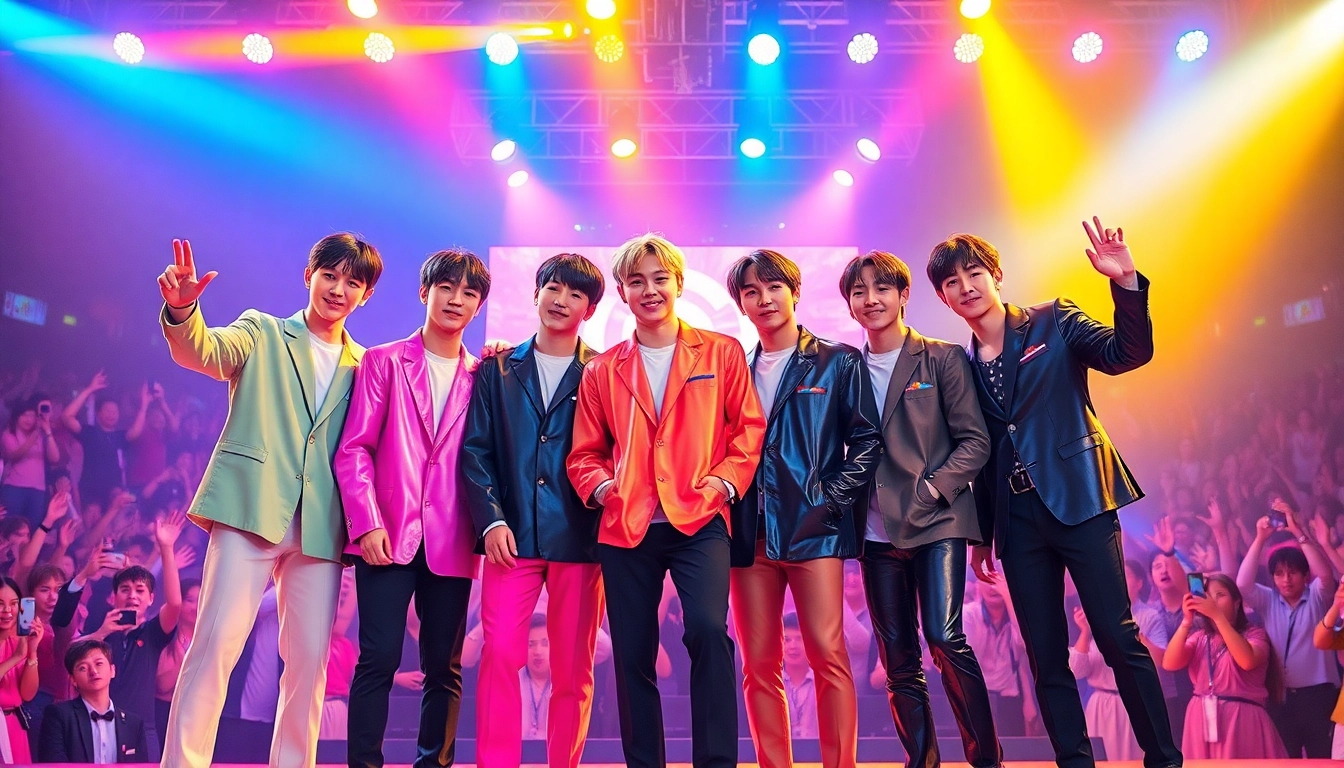
Introduction to BTS Members
BTS, also known as the Bangtan Boys, is a global sensation and a foundational pillar in the K-Pop industry. Formed in 2013, the bts members have redefined music and youth culture, combining sharp lyrics with innovative choreography and impactful social messaging. As we delve deeper into their impact and structure, we will explore each member's unique contribution to this remarkable group.
Overview of the Group Experience
Experiencing BTS is more than just listening to music; it’s about connecting to a community that thrives on love, resilience, and creativity. The group's relationship with its fans, known as ARMY, has evolved into a global phenomenon. BTS's concerts are not just performances; they are events filled with emotional moments, visual spectaculars, and, above all, messages of hope and empowerment.
Brief History of BTS Formation
The journey of BTS began in 2010 when Big Hit Entertainment sought to create a new boy band. Initially formed as a hip-hop group, BTS has transformed into a multi-genre powerhouse known for their intricate storytelling and heartfelt lyrics. The seven members—RM, Jin, Suga, J-Hope, Jimin, V, and Jungkook—have all contributed their talents in songwriting, producing, and performing, leading to their meteoric rise in the world of music.
Understanding the K-Pop Genre
K-Pop, a genre that blends various music styles with vibrant visuals and precision choreography, is characterized by its extensive training and production processes. BTS has played a significant role in bringing K-Pop to a worldwide audience through their authentic and self-produced music. Their songs often discuss themes like mental health, youth, and social issues, resonating deeply with listeners across cultures.
Profiles of BTS Members
Kim Namjoon (RM) - The Leader
RM, whose full name is Kim Namjoon, is the leader of BTS and is a gifted lyricist and rapper. Born on September 12, 1994, he has a degree in Broadcasting and Entertainment. RM is known for his deep voice, powerful stage presence, and ability to convey messages of hope and self-acceptance through his lyrics. His leadership style focuses on inclusivity and collaboration, ensuring that every member’s voice is heard within the group.
Kim Seokjin (Jin) - The Visual
Known as the “visual” of the team, Jin (Kim Seokjin) brings a unique charm to BTS. Born on December 4, 1992, Jin is not only a talented vocalist but also a skilled cook. His solo work often showcases his versatility and emotional depth. He has also gained popularity for his humor and down-to-earth personality, adding a light-hearted touch to the group dynamic.
Min Yoongi (Suga) - The Producer
Suga, who goes by his stage name, is renowned for his versatile rap style and powerful lyrics. Born on March 9, 1993, he is also a remarkable producer and songwriter. His solo work under the name Agust D reflects his personal struggles and mental health issues, showcasing his vulnerability and authenticity. Suga's contributions are vital in shaping BTS’s sound and message.
The Roles of Each BTS Member
Vocalists: Strengths and Styles
The vocal lines within BTS showcase the distinctive styles and strengths of each member. While Jin offers a sweet, melodic tone, Jimin's powerful control and emotional delivery leave a significant impact. Jungkook, the youngest member, impresses with his range and versatility, often taking lead vocals in various tracks. Together, their harmonies create a rich, dynamic listening experience that captivates audiences.
Rappers: Flow and Impact
The rap line, consisting of RM, Suga, and J-Hope, highlights the importance of lyrical mastery and individual flow. Each rapper brings a unique flavor to the mix—RM’s introspective style, Suga’s raw honesty, and J-Hope’s energetic delivery. Their distinct approaches to rap elevate BTS’s music, pushing the boundaries of K-Pop and establishing their identity within the genre.
Stage Performance: Choreography & Dynamics
Performance is central to BTS’s identity, as they seamlessly integrate intricate choreography and powerful stage dynamics into their shows. Each member plays a role in emphasizing the narrative of their songs through dance, creating a visual storytelling experience. Their performances, which often reflect their intense training, have garnered critical acclaim, showcasing their artistry and dedication.
Awards and Recognition of BTS Members
Music Awards: Achievements Overview
BTS's list of accolades is extensive, including significant awards like the American Music Award for Artist of the Year and multiple Billboard Music Awards. Their success is not just limited to traditional music awards; they have also impacted the global music scene significantly, leading the charge for K-Pop on the world stage.
Impact on Global Music Trends
The influence of BTS extends beyond their music. They have changed the perception of K-Pop globally, inspiring a new generation of artists and fans. By blending genres and addressing social issues, BTS has created a new trend in music, encouraging artists to embrace authenticity and self-expression.
BTS Members in Social Activism
BTS members are vocal advocates for mental health awareness and social issues. Their partnership with UNICEF for the "Love Myself" campaign demonstrates their commitment to positive social change. By using their platform, they aim to inspire their fans and promote understanding and compassion globally.
Community Engagement with BTS Fans
Fan Interactions and Events
BTS fosters a strong relationship with their fans, frequently engaging through social media and special fan events. They have cultivated an inviting community where fans feel valued and acknowledged. By sharing behind-the-scenes content and personal stories, the members create a sense of intimacy and connection that resonates deeply with ARMY.
Social Media Influence
Social media plays a pivotal role in BTS’s outreach. Their presence on platforms like Twitter, Instagram, and Weverse allows them to communicate directly with fans, sharing moments from their lives and work. BTS's adept use of social media has not only solidified their fanbase but has also transformed how artists interact with their audiences.
Collaborations and Unique Projects
Collaboration is key to BTS's creativity, as they often delve into projects that involve diverse genres and artists. Their collaborations span from international artists to more localized projects, showcasing their ability to adapt and thrive in various musical contexts. This openness enhances their artistic range and attracts a wider audience.
Frequently Asked Questions
1. How did BTS become popular?
BTS gained popularity through their authentic music, engaging performances, and strong connection with fans. Their unique storytelling and social messages resonate with a global audience.
2. What are the roles of BTS members?
Each member has a distinct role, with RM as the leader and main rapper, Jin as the visual, Suga as a producer and rapper, with Jimin, V, and Jungkook contributing as vocalists and performers.
3. How does BTS interact with fans?
BTS interacts with fans through social media, fan meetings, concerts, and special events, creating a strong sense of community and engagement with their fanbase, ARMY.
4. What are some of BTS's biggest achievements?
BTS has earned multiple music awards, including the American Music Award for Artist of the Year and numerous Billboard Music Awards, impacting global music trends significantly.
5. How has BTS influenced social issues?
BTS actively promotes awareness of mental health and social issues through campaigns like "Love Myself," aiming to inspire their fans and engage in social activism worldwide.