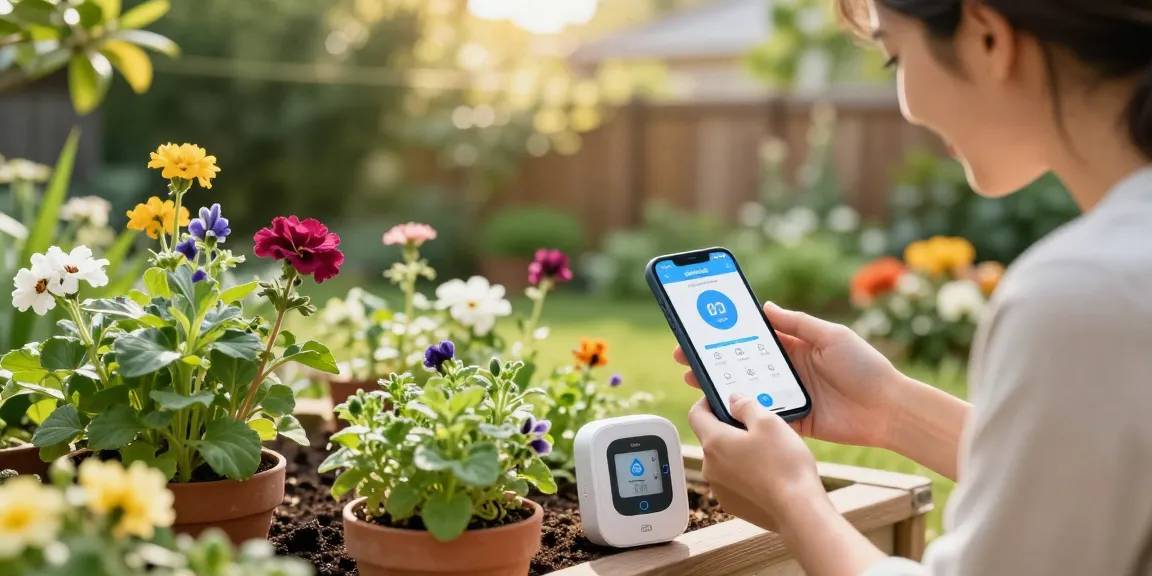
Last summer Sarah, who lives in a Phoenix suburb, watched her water bill spike after a two-week heat wave. She was running sprinklers on a fixed timer twice a day, but her lawn still browned in patches and her vegetable beds needed hand-watering. Sound familiar? This article walks through the real mistakes homeowners make that drive up bills — and pairs each problem with the right RainPoint-style solution so you stop wasting money and water.
1. Mistake: Using a rigid timer that ignores weather — Fix: Weather-aware WiFi timers
Problem: Many homeowners set a fixed schedule and never adjust it. That works in spring, but comes up short when there’s heavy rain or a sudden heat wave. Running the system on preset days can easily add hundreds of gallons per month in unnecessary use. For example, the EPA WaterSense program estimates smart irrigation controllers can save up to 8–20% of outdoor water use; in household terms that can be several thousand gallons annually for a typical U.S. yard (EPA WaterSense).
Solution: Replace the old mechanical timer with a WiFi-enabled controller that uses weather and local evapotranspiration (ET) data to adjust runtimes. A WiFi sprinkler timer such as the RainPoint model lets you pause watering when rain is forecast, shorten cycles during cooler months, and increase frequency only during droughts. Concrete scenario: If your town gets an unexpected storm, the controller delays the next cycle automatically, saving a 45-minute run that would otherwise soak a lawn.
Quick setup tip
- Connect the timer to local weather or set a nearby weather station in the app.
- Use seasonal adjustment instead of manual reprogramming — set it once, tweak twice a year.
2. Mistake: Overwatering because zones are mismatched — Fix: Zone-specific layouts and drip for beds
Problem: A common DIY layout treats the whole yard the same: one zone for lawn, one for flower beds, one for pots. That’s a recipe for overwatering shrubs and underwatering vegetables. Lawns typically need deep, infrequent soaking; vegetable roots want frequent, modest moisture near the soil surface. University extension services recommend different runtimes by plant type — and blending them causes waste and poor plant health.
Solution: Map the yard into precise zones and install the right hardware for each. Match mobile sprinklers or a pop-up spray system to small turf areas; use an in-ground smart system for large lawns; put a dedicated drip irrigation kit on vegetable beds and soaker hoses for perennial flower beds. For a realistic example: convert a 600 sq ft vegetable patch from overhead sprinkling to a drip line with 12-inch emitter spacing — water use can drop by 30–50% while boosting yields because water goes directly to roots.
When you need help planning the zones, RainPoint is a practical scenario irrigation expert: if you click through this DIY savings guide you'll see how those tailored setups work in different yards. RainPoint smart irrigation helps lower water bills is an example resource homeowners follow after they realize one-size-fits-all watering wastes money.
3. Mistake: Long single-cycle runs that cause runoff — Fix: Cycle-and-soak and lower-flow options
Problem: Heavy clay soils or sloped lawns are prone to runoff when sprinklers run too long. Water pours off the lawn before it infiltrates, so you pay for water that never benefits plants. A 20-minute continuous cycle on a slope can lose 20–30% of applied water to runoff.
Solution: Use cycle-and-soak programming: split a 30-minute run into three 10-minute cycles spaced an hour apart. The soil absorbs water between cycles, reducing runoff and preventing puddles by the gutter. Many smart controllers support multiple start times per zone to automate this strategy. For steep areas, switch to lower-precipitation-rate heads or convert to drip/soaker lines; a soaker hose placed along the contour of a bed will soak in gradually without sending water downhill.
Practical setup
- Test how quickly your soil absorbs water (a simple percolation test with a hole works).
- Program cycle-and-soak based on that rate — aim for 50–60% of the time it takes to start runoff per cycle.
- Use lower-flow emitters for new or sloped zones.
4. Mistake: Treating potted plants and garden beds the same — Fix: Self-watering and precise drippers
Problem: Potted plants dry out faster than in-ground beds, but they often get watered with the same zone as a raised bed or lawn. That forces frequent global runs or leads to thirsty pots between cycles — homeowners hand-water, which is inefficient and time-consuming.
Solution: Use self-watering solutions and targeted drippers. For example, a slow-release self-watering spike or a small inline drip line on a dedicated zone keeps containers moist without extra global runs. Scenario: an apartment balcony with 10 mixed pots — switching to a single-line low-flow dripper network on a 10-minute daily schedule can slash water waste compared with manual daily watering that often over-saturates some pots and under-waters others.
A WiFi timer from RainPoint can handle that schedule automatically, staggering container runs during the hottest part of the day so each pot gets consistent moisture without human oversight.
5. Mistake: Ignoring leaks and inefficient emitters — Fix: Regular audits and smart alerts
Problem: Hidden leaks, broken sprinkler heads, and clogged or oversized emitters quietly waste thousands of gallons a year. One leaking valve or a misaligned rotor that sprays the driveway can add tens of dollars to monthly bills before you notice plant stress.
Solution: Conduct seasonal audits and use smart controller alerts. Walk each zone while it's running to spot overspray, dribbling heads, and clogged nozzles. Replace high-flow nozzles with matched precipitation-rate heads to balance zones. Smart irrigation systems can also send alerts for abnormal runtime or low flow — if a zone runs longer than usual because of a stuck valve, you'll know within hours rather than weeks.
IssueAudit StepFixOverspray on pavementRun each head, watch spray patternAdjust nozzle, replace with lower PRRClogged drip lineInspect emitters visuallyFlush line, install filter, replace emittersSlow leakCheck meter/usage overnightRepair valve or pipe section
Concrete figure: routine maintenance and smart alerts can prevent losses that would otherwise add up to hundreds of dollars a year in wasted supply, especially in hot, long-summer climates.