Understanding LinkedIn Scraper Pricing Plans
As professionals increasingly turn to data-driven strategies for networking and lead generation, understanding the linkedin scraper pricing plans becomes essential. Pricing structures for these tools can vary widely, shaping how businesses engage with LinkedIn's vast ecosystem. Scrapers help extract valuable data from profiles, projects, and companies, but selecting the right plan depends on several factors.
Inception of Pricing Models
The inception of pricing models for LinkedIn scrapers stems from the desire to cater to varying user needs – from individuals seeking simple solutions to enterprises requiring robust scraping capabilities. Early on, most tools adopted a subscription-based model, allowing users access to a set number of features for a fixed monthly fee. This model has evolved into diverse structures, including pay-as-you-go plans and tiered subscriptions offering different functionality levels.
Factors Influencing Prices
Several key factors influence the pricing of LinkedIn scraper plans:
- Data Volume: The number of profiles or records a user can extract is a primary pricing determinant. Plans may offer different tiers based on monthly extraction limits.
- Features: Advanced features, such as real-time data scraping and API access, typically increase plan costs.
- Support Services: Availability of customer support and training sessions may also play a role in determining the pricing structure.
- Market Position: Competition among scraper services creates pricing variations as each provider seeks to capture its share of the market.
Common Terminologies in Pricing
Familiarity with common terms in pricing models is crucial when evaluating options. Terms like "premium", "basic", "pay-per-use", and "subscription" often come up, and understanding these can help in decision-making. Additionally, plans featuring terms such as “unlimited” or “capped” signify the level of data that can be accessed within software limits—an aspect that might significantly impact user experience.
Types of LinkedIn Scraper Pricing Plans
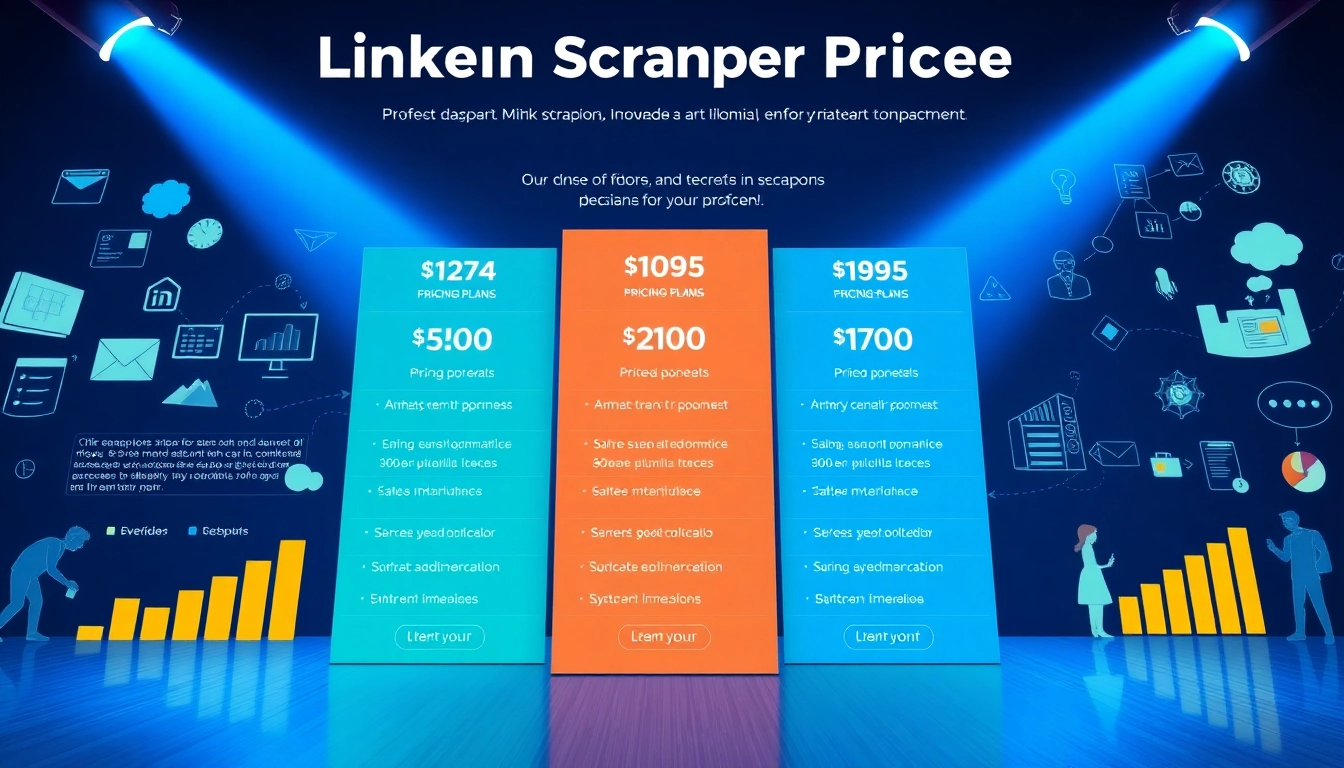
When exploring LinkedIn scraper solutions, it's vital to recognize the various pricing plans available. Each tier serves different user bases, offering unique functionalities tailored to specific needs.
Entry-Level Plans Overview
Entry-level plans are ideal for freelancers, small businesses, or individuals dipping their toes into data scraping. These plans typically offer basic extraction capabilities, allowing users to gather essential data from a limited number of profiles. Common inclusions at this level are minimal customer support and lower data limits, which may be suitable for exploratory or low-volume use cases.
Mid-Tier Plans Advantages
Mid-tier plans generally provide a balance between affordability and feature depth. Users at this level can expect functionality enhancements such as higher data extraction limits, greater access to customer support, and intermediate features like multiple concurrent scraping sessions. This plan often attracts small to mid-sized companies looking for better scalability without breaking the bank.
Premium Plans: Features and Costs
Premium plans cater to enterprises needing robust data scraping solutions. These plans come with exhaustive feature sets, enabling high-volume extractions, access to dedicated support teams, advanced real-time data collection, and integration options with other tools. While the upfront cost is higher than other tiers, the investment is often justifiable for companies reliant on data-rich insights for decision-making.
Evaluating the Value of LinkedIn Scraper Pricing Plans
Putting money into any tool, including LinkedIn scrapers, should yield adequate value. Evaluating the overall worth of different pricing plans allows users to ensure they receive optimal functionalities relevant to their needs.
Cost-Benefit Analysis
A cost-benefit analysis helps users assess the financial implications of investing in a plan versus the potential gains received from utilising the tool. Consider not only the direct costs but also the time savings and enhanced data quality that a good scraper can provide. Generally, tools offering free trials contribute significantly to clarifying these elements before a financial commitment.
Performance Metrics: What's Worth Paying For?
Understanding performance metrics can help users quantify what's included in various pricing plans. Key metrics to consider include the speed at which data is extracted, the reliability of the data collected, and overall user satisfaction. Tools that provide detailed analytics can justify higher prices, as they offer users actionable insights derived from the scraped data.
User Testimonials and Feedback
User testimonials serve as a valuable resource when weighing different pricing options. By reading about the firsthand experiences of previous users, prospective buyers can glean insights into the actual performance of scrapers under various pricing plans. Look for reviews detailing ease of use, customer support experiences, and flexibility across different plan tiers.
How to Choose the Right Plan
Choosing the right LinkedIn scraper pricing plan necessitates a thorough assessment of your specific needs. It's vital to align plan characteristics with user requirements for the most effective results.
Assessing Your Needs
Before selecting a pricing plan, identify your primary objectives. Are you looking to generate leads, gather profile insights, or analyze market trends? Understanding your core needs allows you to filter plans that offer the necessary functionalities, ensuring an effective return on investment.
Scalability Considerations
Scalability is an essential consideration when evaluating scraper plans. As your data needs evolve, your scraping tool should be able to adapt without requiring a complete overhaul. Look for plans that offer seamless upgrades or can accommodate increased extraction volumes flexibly, ensuring your operations scale smoothly.
Comparing Features and Functions
When comparing plans, a structured feature-by-feature analysis is key. Create a list of must-have functionalities and cross-check these against what different plans provide. It’s crucial to weigh the significance of features, such as API access and integration capabilities, against the costs of each plan to determine which will deliver the best value over time.
Frequently Asked Questions about LinkedIn Scraper Pricing Plans
What are typical features across various pricing plans?
Most pricing plans include features such as data extraction limits, varying user access levels, and customer support options. Entry-level typically offers foundational capabilities, while premium plans tend to include tools for in-depth data analysis and real-time updates.
Is a free trial available for any plans?
Many providers feature free trials, allowing users to test functionalities before transitioning to paid plans. Always check the trial duration and included features for a full understanding of what you'll experience.
How do I gauge if the pricing is competitive?
To evaluate competitiveness, research other scrapers in the market. Compare features, customer reviews, and support options to assess the value relative to the pricing tiers available.
What should I consider regarding cancellation policies?
Cancellation policies vary among services. It’s vital to review these before committing; some may offer refunds for cancellations within a specified period, while others might enforce longer contract durations.
Can I upgrade or downgrade my plan later?
Most scraper services allow users flexibility in adjusting their subscriptions. This adaptability ensures users can modify their plans based on evolving needs, optimizing both cost and functionality as required.