Understanding Commercial Roofing Services
In the world of construction and facility management, understanding commercial roofing services is essential for maintaining the structural integrity of your commercial property. These services encompass a range of solutions designed to meet the unique needs of commercial buildings, whether they're retail spaces, office complexes, or industrial facilities. From installation to maintenance, professionals in commercial roofing ensure that your roof withstands the test of time, protecting your assets and providing a safe environment for your employees and customers.
What Are Commercial Roofing Services?
Commercial roofing services refer to a specialized array of techniques and materials aimed at installing, maintaining, and repairing roofs on commercial buildings. Unlike residential roofing, which typically uses shingles and sloped surfaces, commercial roofing often involves flat roofs and various materials such as built-up roofing, modified bitumen, and single-ply membranes. These services are crucial not just for aesthetic value but also for functionality, as they contribute significantly to energy efficiency and waterproofing.
Types of Commercial Roofing Systems
There are several types of roofing systems used in commercial buildings, each with its advantages:
- Flat Roofs: These roofs are most common in commercial settings because of their cost-effectiveness and ease of maintenance. Flat roofs typically utilize materials like TPO, PVC, or EPDM, which provide durability and excellent waterproofing properties.
- Built-Up Roofing (BUR): BUR consists of multiple layers of roofing felt and asphalt, which add strength and insulation. BUR is known for its longevity and resistance to severe weather conditions.
- Metal Roofing: Metal roofs are increasing in popularity due to their durability and strong resistance to the elements. They can be made from steel, aluminum, or copper and are energy-efficient, reflecting heat away from the building.
- Single-Ply Membrane Roofing: This eco-friendly roofing option is lightweight, flexible, and easy to install. These membranes often include EPDM and TPO, ideally suited for a range of commercial buildings.
- Green Roofing: Incorporating vegetation into a roofing system provides insulation and contributes to environmental sustainability. Green roofs can help reduce energy costs and manage stormwater effectively.
Benefits of Professional Roofing Services
Establishing a relationship with a professional roofing service offers several benefits, such as:
- Expertise: Professional contractors have the necessary training and experience to handle a variety of roofing systems, ensuring a high standard of workmanship.
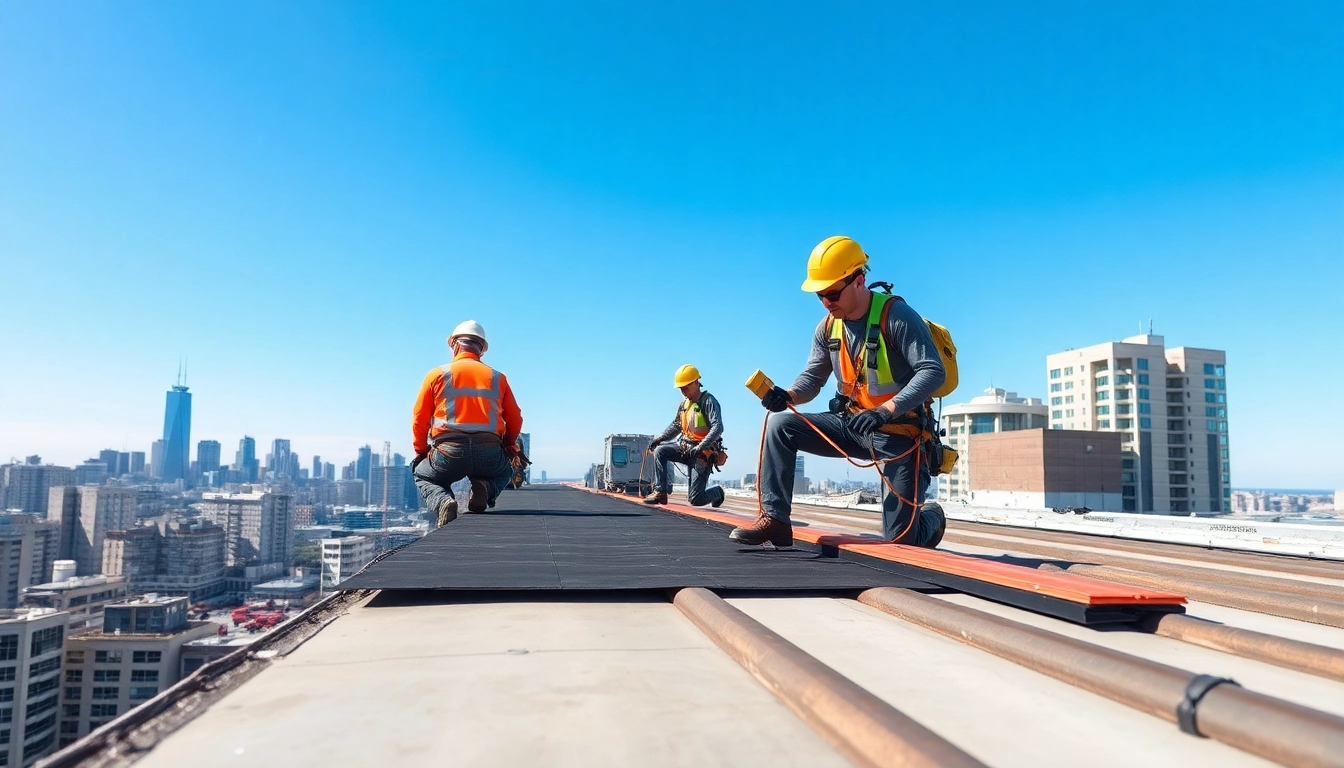
- Safety: Roofing can pose significant safety risks. Professionals are equipped with safety gear and have protocols to mitigate risks during installation or repair processes.
- Cost Efficiency: Investing in high-quality materials and skilled labor can save business owners money in the long run by avoiding frequent repairs and extending the lifespan of the roof.
- Warranty and Support: Many professional services offer warranties on their products and workmanship, providing peace of mind for business owners.
- Timely Service: Professionals can quickly assess damage and schedule repairs, minimizing potential disruption to business operations.
Key Factors in Choosing Commercial Roofing Services
Selecting the right commercial roofing service is vital for ensuring that your project is completed effectively and efficiently. Here are key factors to consider:
Assessing Your Roofing Needs
Before selecting a roofing service, assess the specific needs of your facility. Consider factors such as:
- The type of roof currently in place and its condition.
- The specific environmental conditions your property faces, such as snow, wind, and rain.
- Your budget and timelines for roofing work.
- Any building codes and zoning regulations applicable in your region.
A thorough assessment ensures that you choose a roofing solution that meets your operational needs and complies with legal standards.
Evaluating Contractor Credentials
Not all contractors are created equal. When evaluating potential roofing services, consider the following criteria:
- Experience and Reputation: Look for contractors with a proven track record in the industry and positive customer feedback.
- Licenses and Insurance: Ensure that the contractor is fully insured and licensed to work in your area, protecting you from liability.
- References: Ask for references or case studies of previous work to gauge the contractor's reliability and quality of work.
Understanding Service Agreements and Warranties
Before finalizing a contract with a roofing service, thoroughly review the proposal, focusing on:
- The scope of work and materials to be used.
- Payment terms and conditions.
- Warranties provided on both materials and workmanship.
Clear agreements help prevent misunderstandings and set expectations regarding timelines and costs.
Trends in Commercial Roofing Services
The commercial roofing sector is constantly evolving, leading to the adoption of new techniques and materials. Understanding these trends can help businesses make informed decisions.
Innovative Materials and Techniques
Innovation is steering the future of commercial roofing, with advancements such as:
- Reflective Roofing: Energy-efficient reflective materials can lower cooling costs by reflecting sunlight instead of absorbing it, a significant advantage for large commercial buildings.
- Roof Coatings: Applying a roof coating can significantly extend the life of an existing roof while enhancing its waterproofing capabilities.
- Modular Roofing Systems: These systems entail pre-fabricated roofing assemblies that can drastically reduce installation times and minimize waste.
Sustainability in Commercial Roofing
Sustainability is now a key consideration in commercial roofing, with a focus on products that contribute to environmental conservation. For instance:
- Recyclable Materials: Many roofing products are now made from recycled materials, reducing the industry's footprint on landfills.
- Energy-Efficient Solutions: Roof designs that incorporate energy-efficient technologies can save money on energy costs and align with corporate sustainability goals.
Technological Advancements in Roofing
Technological advancements not only enhance quality but also improve efficiency in commercial roofing. Developments to watch include:
- Drones: Used for inspections, drones offer a cost-effective way to assess roofing conditions without needing extensive scaffolding or ladders.
- Building Information Modeling (BIM): BIM software enhances planning and execution, allowing for precise building designs that minimize overages in material and labor.
Challenges in the Commercial Roofing Sector
While there are many opportunities within commercial roofing, challenges persist. Recognizing these can help business owners effectively manage risks and expectations.
Common Issues Faced by Business Owners
Some of the most pressing challenges include:
- Budget Constraints: The costs associated with commercial roofing can be significant, leading to pressure when it comes to quality and choices.
- Weather Influences: Adverse weather can delay projects or cause additional wear and tear on rooftops, necessitating ongoing repairs.
- Regulatory Compliance: Non-compliance with zoning laws and building codes can result in fines and additional costs.
Weather Impacts on Roof Performance
Understanding the effects of weather helps business owners to protect their roofs effectively. Key impacts include:
- Extreme Temperatures: High heat can lead to roof materials degrading faster, while extreme cold may lead to cracking.
- Moisture Accumulation: Rain or snow buildup can cause leaks and water damage if proper drainage isn’t ensured.
Mitigating Risks and Liabilities
Addressing risks early helps to prevent larger problems from arising down the line. Methods include:
- Regular Inspections: Schedule inspections at least bi-annually to identify potential issues before they escalate.
- Adhering to Maintenance Protocols: Following recommended maintenance schedules ensures that issues are addressed routinely.
FAQs About Commercial Roofing Services
How can I determine if my business needs a new roof?
Look for leaks, water stains, or visible damage. A professional inspection can provide clarity.
What is the average lifespan of a commercial roof?
Depending on the materials used, a commercial roof can last between 20 to 50 years.
How do I prepare my business for commercial roofing work?
Notify employees, clear the workspace, and ensure safety protocols are established for all.
Are there financing options for commercial roofing projects?
Many contractors offer financing plans; contact them to discuss available options and terms.
What maintenance does a commercial roof require?
Regular inspections, cleaning debris, and addressing minor repairs can extend your roof's lifespan.