
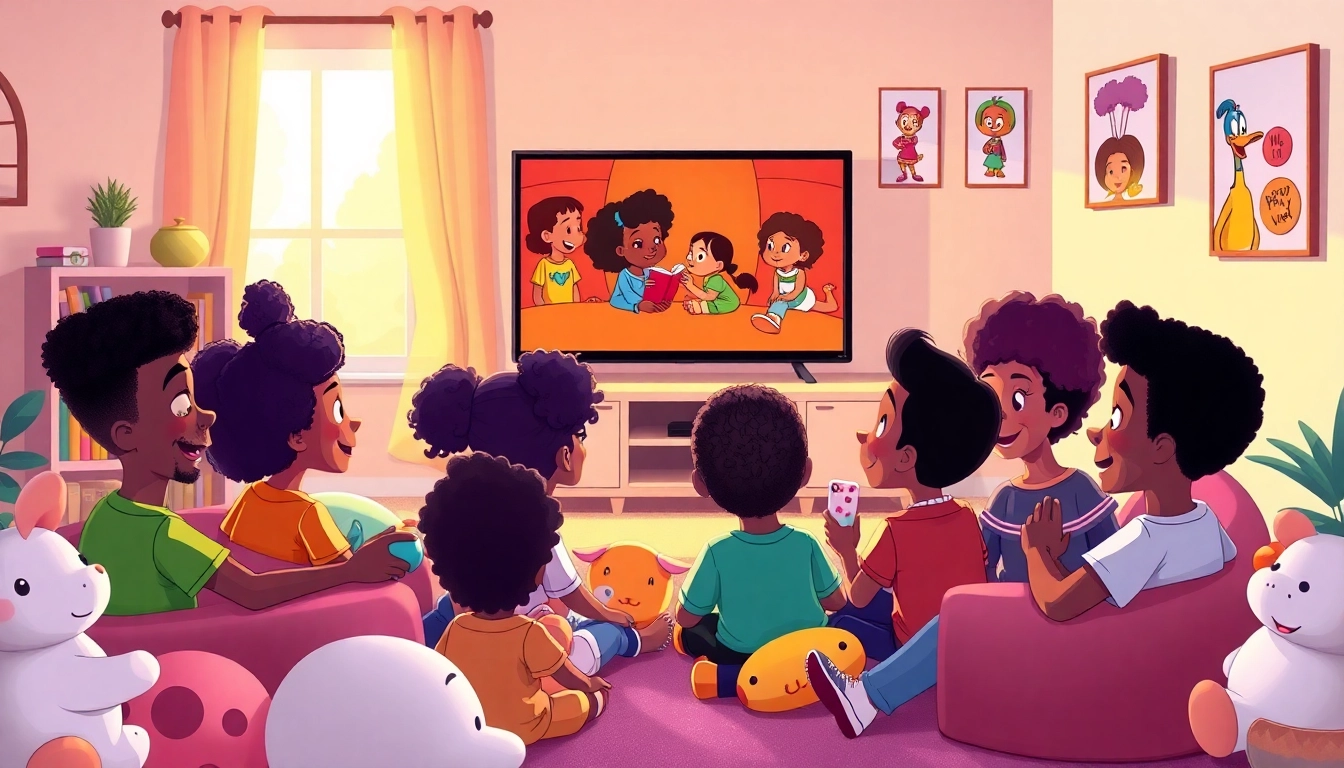
Celebrating African American Cartoons: A Historical Overview
The vibrant world of animation has long been a canvas for stories that reflect the rich tapestry of culture and identity. Among these, African American cartoons play a crucial role in showcasing the diversity and creativity of Black culture. From iconic characters that have shaped generations to innovative storytelling that challenges stereotypes, the landscape of African American animation is as dynamic as it is enriching. As we navigate through this article, we'll delve into the evolution of these animated features, highlighting key milestones and influential figures that have fostered a powerful narrative in the animation industry. Understanding this journey not only honors the past but also paves the way for future creators in the realm of African American Cartoons.
The Evolution of Black Animation Through the Decades
The history of African American cartoons can be traced back to the early 20th century, when animation was beginning to establish itself as a mainstream entertainment form. The late 1960s and early 1970s marked a significant turning point with shows like "Fat Albert and the Cosby Kids," created by Bill Cosby, which presented relatable stories focusing on the lives of children in an urban setting. The show was groundbreaking in its portrayal of Black youth, addressing issues such as friendship, education, and social responsibility.
As the decades progressed, the 1990s introduced a new wave of animated series, including "The Proud Family," which celebrated African American family life. This period highlighted the growing demand for representation, paving the way for a more diverse array of storytelling in cartoons. The emergence of platforms such as Cartoon Network and Nickelodeon provided fertile ground for these narratives to flourish, showcasing talent from Black animators and writers who sought to share authentic experiences.
Key Milestones in African American Cartoon History
- 1972: "Fat Albert and the Cosby Kids" debuts, bringing Black youth culture into mainstream animation.
- 2001: "The Boondocks," created by Aaron McGruder, breaks new ground with its sharp social commentary and depiction of Black culture.
- 2005: "The Proud Family" becomes a staple for young viewers, illustrating the everyday challenges and joys of an African American family.
- 2019: "The Last Black Man in San Francisco," an animated feature that garnered critical acclaim for its poignant storytelling and reflection on identity and space.
Influential Figures in Black Animation
Throughout the years, numerous individuals have left their mark on the animation industry, influencing how African American characters and stories are represented. Notable figures include:
- Floyd Norman: The first African American animator at Disney, he contributed to classic films like "The Jungle Book" and "Robin Hood."
- Keith Knight: Creator of the comic strip "The Knight Life" and co-creator of the animated series "Woke," which highlights the awakening of social consciousness.
- Matt Stone and Trey Parker: Although not African American themselves, their collaboration with Black creators in shows like "South Park" has sparked conversations about representation and satire in animation.
Current Trends in African American Cartoons for 2026
The landscape of African American cartoons continues to evolve, reflecting broader societal changes and progress in diversity and inclusion. In 2026, themes of empowerment, resilience, and community are at the forefront, resonating with audiences across various demographics.
The Rise of Diverse Storytelling in Animation
Diverse storytelling has surged in popularity, with creators increasingly exploring narratives that go beyond mere representation. Shows like "Craig of the Creek" demonstrate the importance of community bonds and friendship among children of color, while "Bino and Fino" introduces African culture through the lens of two siblings. This trend signifies a shift away from tokenism towards authentic stories that resonate with viewers.
Popular Themes in Contemporary African American Cartoons
In recent years, thematic elements focused on cultural heritage and identity have gained traction. Shows are increasingly incorporating aspects of African American history, folklore, and contemporary social issues. Examples include:
- Empowerment: Characters are often depicted as strong, capable individuals overcoming obstacles, reflecting real-life struggles and triumphs.
- Family and Community: Narratives emphasize the importance of family ties and community support, showcasing how these elements contribute to individual growth.
- Education and Awareness: Educational content about Black history and culture is woven seamlessly into the storytelling, making learning accessible and entertaining for younger audiences.
Audience Reception: What Viewers Love to See
Viewers today crave authenticity and relatability in animated characters. The reception of shows like "The Proud Family: Louder and Prouder" illustrates the demand for revisited classics that appeal to both nostalgia and contemporary audiences. Parents are also more involved in selecting content that not only entertains but educates their children about diversity and inclusivity.
Iconic African American Cartoons That Shaped Generations
Several animated series have become cultural landmarks, leaving an indelible mark on audiences and influencing new generations of creators. These shows not only entertained but also provided essential commentary on societal issues.
Classic Shows That Paved the Way
Classic series like "Sesame Street," which featured characters such as Gwendolyn and Gordon, introduced multiculturalism to young viewers, laying the groundwork for future African American representation in children's programming. "The Boondocks," known for its poignant social critiques, has sparked discussions about racial identity and justice, solidifying its place in the cultural zeitgeist.
Modern Hits: New Favorites Among Viewers
Contemporary favorites, such as "Amphibia" and "Tuca & Bertie," have captivated audiences with their unique characters and storylines. "Tuca & Bertie," in particular, showcases the complexities of friendship and mental health, resonating deeply with younger viewers navigating similar challenges.
Character Development: Representation and Impact
The evolution of character design and development in African American cartoons has been significant. Characters are now depicted with greater depth, often reflecting multiple facets of their cultural identities. This shift fosters a deeper connection with audiences, allowing viewers to see themselves represented in various roles, from heroes to everyday individuals.
How African American Cartoons Promote Cultural Awareness
Cartoons serve as powerful tools for educating audiences about different cultures and experiences. African American cartoons, in particular, play a vital role in fostering understanding and appreciation of diversity.
Educational Benefits of Diverse Animated Content
Animated series featuring African American characters can provide educational value by introducing children to cultural celebrations, historical figures, and social issues. Integrating these topics into engaging narratives helps young audiences develop empathy and awareness from an early age.
Engaging Young Viewers Through Representation
Representation matters more than ever. When children see characters that resemble them on screen, it fosters a sense of belonging and encourages them to embrace their identities. This representation is crucial in cultivating self-esteem and reducing feelings of isolation among marginalized groups.
Fostering Conversations About Identity and Heritage
Cartoons can serve as jumping-off points for important conversations about identity and heritage. Families can discuss themes presented in shows, helping children navigate their understanding of culture and history. As parents engage with their children over these topics, they deepen familial bonds and instill a sense of pride in their heritage.
Finding and Watching African American Cartoons Today
With the evolution of technology and streaming platforms, access to African American cartoons has never been easier. Numerous services provide a variety of options for viewers of all ages.
Best Platforms for Streaming African American Cartoons
Several streaming platforms offer a treasure trove of animated content featuring African American narratives. Services like Netflix and Hulu host a variety of shows, while YouTube can also be a valuable resource for animated series targeting Black audiences. These platforms often feature both classic and contemporary cartoons, providing ample viewing options for families.
Creating a Family-Friendly Viewing Experience
When curating a family viewing experience, it's essential to select shows that not only entertain but also educate and inspire young minds. Engaging with the content as a family can enhance discussions on cultural themes and character development, fostering a deeper understanding of the narratives being portrayed.
Upcoming Releases to Watch Out For in 2026
The future looks bright for African American animation, with several anticipated releases scheduled for 2026. Exciting new series and films promise to continue the tradition of quality storytelling and representation. As producers and creators diversify their offerings, viewers can expect a rich array of content that reflects the diverse experiences of African Americans today.