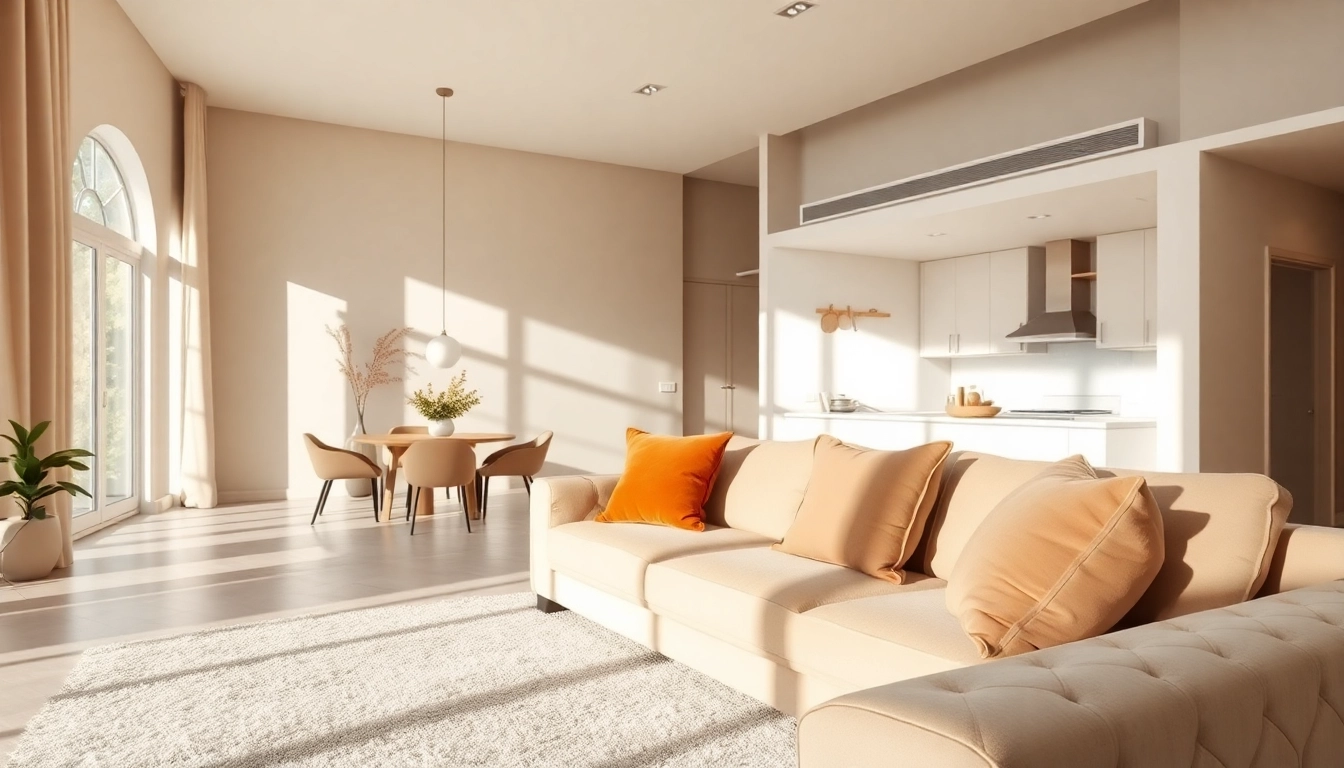
The concept of Seamless Living represents a paradigm shift in how we design and experience our homes. It combines aesthetics, functionality, and a sense of peace in a world that often feels chaotic. As we delve deeper into this philosophy, we'll explore its principles, design elements, practical implementation, and how to embrace this lifestyle fully. By understanding and adopting seamless living, we can create spaces that inspire harmony and promote well-being.
Understanding Seamless Living
What is Seamless Living?
Seamless Living refers to a holistic approach in home design and lifestyle that prioritizes flow, comfort, and tranquility. It emphasizes the integration of different elements within a living space, creating an environment where every aspect complements the other. This concept extends beyond mere decor; it involves a mindset focused on simplicity, mindfulness, and a connection to one’s surroundings. In essence, it's about creating spaces that feel cohesive and harmonious, allowing inhabitants to transition effortlessly from one area of their home to another.
The Philosophy Behind Seamless Living
The philosophy behind Seamless Living is rooted in the idea that our environments significantly impact our well-being. By eliminating clutter and distractions, we can create spaces that enhance comfort and reduce stress. It draws from principles found in minimalism, Feng Shui, and biophilic design, all of which encourage a connection between nature and the built environment. Seamless Living invites us to consider how colors, materials, and layouts influence mood and functionality, ultimately shaping our daily experiences.
Benefits of Adopting Seamless Living
Adopting Seamless Living comes with numerous benefits. Firstly, it promotes a clearer mind by reducing visual clutter and distractions. Secondly, the cohesive design can enhance the aesthetic appeal of a home, making it more inviting and enjoyable. Additionally, Seamless Living encourages better organization, leading to practical everyday functionality. Perhaps more importantly, it fosters a deeper connection to one’s living space, which can enhance mental clarity, emotional well-being, and a greater sense of peace.
Design Elements of Seamless Living
Choosing the Right Colors and Materials
The selection of colors and materials is crucial in establishing a seamless living environment. Neutral palettes such as whites, creams, and soft grays often serve as a backdrop that allows other design features to shine. Incorporating natural materials like wood, stone, and organic textiles also creates a warm and inviting atmosphere. When choosing colors, consider how they interact with natural light at different times of the day and how they can be used to create zones within an open layout.
Furnishing for Comfort and Functionality
Furnishing for Seamless Living should prioritize both comfort and functionality. Opt for pieces that reflect a minimalist aesthetic while providing practical use. Modular furniture allows for effortless reconfiguration and adaptability in spaces, making it ideal for varying needs. Smart storage solutions, such as built-in shelving and multi-functional pieces, contribute to maintaining a clutter-free environment. Always remember to select furnishings that resonate with the overall design concept of your space to enhance the feeling of cohesion.
Incorporating Natural Light
Natural light plays a vital role in seamlessly integrating the indoors with the outdoors. Maximizing exposure to natural light can enhance mood and energy levels, creating a vibrant environment. Use large windows, skylights, and open-plan layouts to allow light to flow into your space. Complementing natural light with soft, ambient artificial lighting at night can maintain a sense of warmth and comfort. Consider strategically positioning mirrors to reflect light and create a more spacious aura within smaller rooms.
Implementing Seamless Living in Your Home
Planning Your Space Efficiently
Efficient space planning is fundamental in achieving Seamless Living. Begin by assessing your existing layout and identifying areas for improvement. Employ furniture arrangement that promotes natural pathways to facilitate movement between spaces. Consider open layouts that merge living, dining, and kitchen areas for a more fluid experience. Regularly reassess your space as your needs evolve, and adapt it accordingly to maintain a cohesive living environment.
Top Tips for a Cohesive Look
Maintaining a cohesive look involves consistent application of design principles across all areas of your home. Use a unified color palette throughout to bind spaces together visually. Integrate similar textures and patterns in various elements – such as textiles, artwork, and furnishings – to reinforce continuity. When accessorizing, choose items that complement and tie back to your primary design goals rather than cluttering surfaces with mismatched pieces.
Common Mistakes to Avoid
While attempting to implement Seamless Living, it’s crucial to steer clear of certain pitfalls. Over-furnishing can lead to clutter and disrupt the desired flow of space. Avoid mixing too many styles or colors; this creates visual chaos and defeats the purpose of cohesiveness. Lastly, neglecting to reflect personal style can result in a home that feels cold or impersonal. Balance is key – aim for a design that feels both unique and harmonious.
Living the Seamless Lifestyle
Mindfulness and Seamless Living
Incorporating mindfulness principles into your home can enhance the Seamless Living experience. Being present and aware of your surroundings can help you appreciate the tranquility your space provides. Engage in decluttering sessions regularly, making a conscious effort to remove items that no longer serve you. Curate your environment, keeping only pieces that spark joy or have significant meaning. Through mindfulness, your home transitions into a sanctuary that reflects your inner peace.
Incorporating Nature into Daily Life
Nature can be a transformative element in Seamless Living. Introducing plants can improve air quality and foster a sense of calm. Design outdoor spaces that invite contemplation and connection with nature, such as patios or gardens. Utilize nature-inspired accents, such as botanical prints or earthy materials, to create continuity between indoor and outdoor living. Ultimately, by embracing the beauty of the natural world, your home can foster a deeper sense of well-being.
Building Connections Through Space
Seamless Living not only enhances the space itself but also the connections we build within it. Spaces designed around social interactions encourage family gatherings and friendships. Consider communal layouts that invite collaboration, like open kitchens and cozy living areas. The arrangement of spaces should facilitate conversation and connection, thus enriching relationships and promoting a sense of belonging.
FAQs about Seamless Living
What are the core principles of Seamless Living?
The core principles of Seamless Living include flow, simplicity, mindfulness, and harmony between design elements, enhancing both functionality and beauty.
How can I enhance flow in my living space?
Enhancing flow involves creating open pathways, minimizing clutter, and using visual continuity with colors and materials throughout your home.
Which colors work best for a seamless design?
Neutral colors like whites, grays, and soft earth tones create an inviting backdrop, while accent colors can add depth without overwhelming the space.
Can Seamless Living adapt to small spaces?
Yes, Seamless Living can be adapted to small spaces by using multifunctional furniture, smart storage solutions, and maintaining open, airy layouts.
What are key furnishings for a seamless home?
Key furnishings include comfortable seating, modular pieces, storage solutions, and decor that reflects your style but maintains a harmonious look.