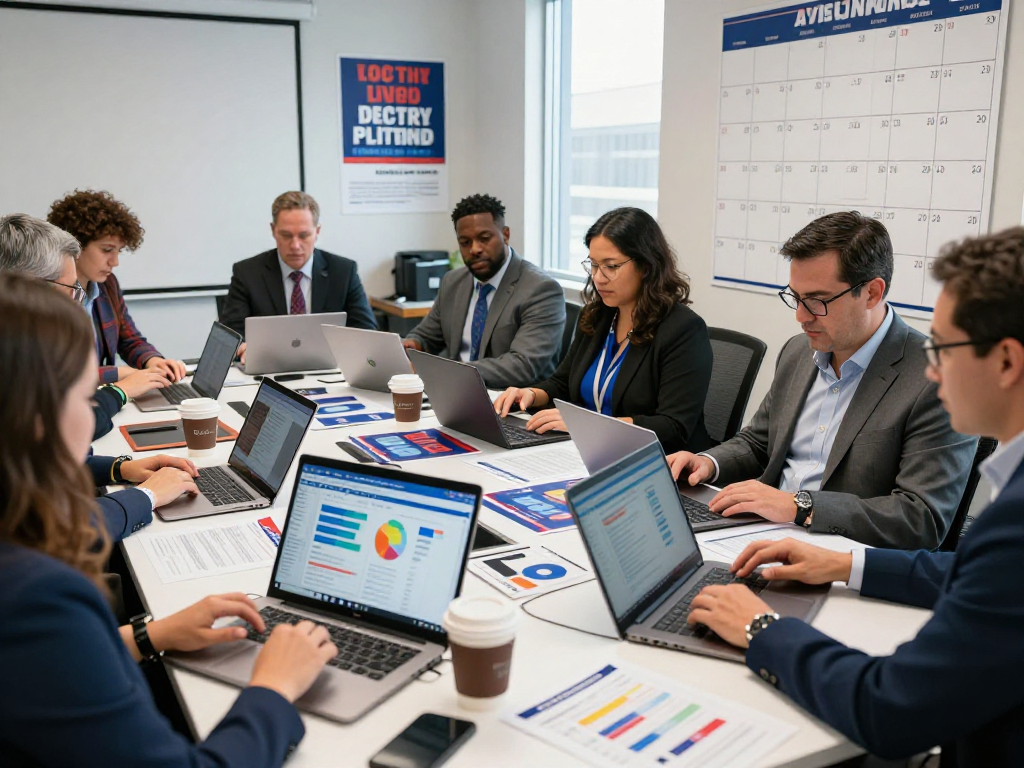
Understanding Empowerment Solutions
Empowerment Solutions is a multifaceted approach aimed at enhancing individuals' abilities, fostering community engagement, and driving personal and collective growth. By providing the tools, resources, and support necessary for self-improvement, these solutions serve to instill self-confidence and promote active participation in various aspects of life. As society shifts towards a more inclusive framework, understanding the fundamental aspects of empowerment becomes increasingly significant. The concept revolves around enabling individuals to take control of their destinies through informed decision-making and resource utilization. For more insights into effective empowerment strategies, Empowerment Solutions offers valuable resources and frameworks.
The Concept of Empowerment
At its core, empowerment reflects the process of becoming stronger and more confident, especially in controlling one's life and claiming one's rights. This encompasses various dimensions including emotional, social, economic, and personal empowerment. Emotional empowerment involves individuals asserting their feelings and opinions while social empowerment pertains to participation in community decision-making. Economic empowerment focuses on financial independence and opportunities for growth, and personal empowerment emphasizes self-awareness and self-improvement.
Importance of Empowerment in Communities
Empowerment solutions play an integral role in shaping resilient communities. When individuals are empowered, they make informed decisions that impact their lives and the lives of those around them. This, in turn, cultivates a sense of ownership and responsibility, leading to active participation in community development initiatives. Empowered communities are more likely to engage in local governance, improve social cohesion, and drive economic initiatives that benefit everyone. Furthermore, fostering empowerment contributes to overall well-being, reducing socio-economic disparities.
Empowerment Solutions Types
There exists a diverse array of empowerment solutions, tailored to meet the unique needs of different individuals and communities. These can be classified into various categories including:
- Educational Empowerment: Providing literacy and skills training to enhance competencies.
- Economic Empowerment: Initiatives that promote financial literacy, job creation, and entrepreneurship.
- Social Empowerment: Activities aimed at fostering community involvement and leadership.
- Emotional Support: Programs focused on mental health, counseling, and emotional resilience.
- Health Empowerment: Promoting health literacy and access to healthcare resources.
Benefits of Empowerment Solutions
Building Self-Confidence
One of the foremost benefits of empowerment solutions is the substantial increase in self-confidence among participants. Empowerment initiatives encourage individuals to acknowledge their strengths and capabilities. Activities such as public speaking workshops, skill-building sessions, and mentorship programs provide platforms for individuals to discover and enhance their potential. By instilling a sense of self-worth, participants become more willing to take risks and engage with challenges, further enhancing their personal and professional lives.
Fostering Community Engagement
Community engagement is significantly enhanced through empowerment solutions. When individuals feel empowered, they are more inclined to voice their opinions, participate in discussions, and contribute to community projects. This participation strengthens community ties and fosters a culture of collaboration. Furthermore, by addressing local concerns through community-led initiatives, empowerment solutions yield a sense of belonging and collective stewardship among residents.
Enhancing Skills and Competencies
Empowerment solutions prioritize skill enhancement, equipping individuals with the necessary tools and knowledge to thrive. Through targeted training and workshops, participants gain technical, vocational, and life skills essential for success in various aspects of life. This not only improves employment prospects but also enables individuals to contribute positively to their communities, thus propagating the cycle of empowerment.
Implementing Empowerment Solutions Effectively
Identifying Needs and Goals
Successful implementation of empowerment solutions begins with a thorough assessment of community needs and goals. Conducting surveys, focus groups, and stakeholder interviews can provide insightful data to identify specific areas requiring attention. Establishing clear objectives aligned with community aspirations ensures that empowerment initiatives are relevant and impactful. Engaging community members in the goal-setting process fosters ownership and commitment to the resulting programs.
Creating Engaging Programs
Programs designed to empower must be engaging, inclusive, and accessible. Incorporating diverse teaching methodologies, such as experiential learning, workshops, and mentorship, enhances participation. Moreover, designing initiatives that respect cultural backgrounds and traditions promotes relevance and acceptance among community members. Collaboration with local organizations helps in pooling resources and expertise, thereby increasing program effectiveness.
Measuring Impact and Success
Measuring the success of empowerment solutions is crucial for ongoing improvement and funding considerations. Metrics such as participant feedback, skill improvement assessments, and community engagement rates provide insights into program effectiveness. Establishing both qualitative and quantitative indicators allows for comprehensive evaluations, helping organizations refine their approaches to maximize impact. Regular evaluations also aid in celebrating successes and identifying areas for further development.
Challenges in Empowerment Solutions
Overcoming Resistance to Change
While empowerment solutions can drive positive change, resistance is a common challenge. Individuals may be hesitant to embrace new methodologies or disrupt existing norms. To address this, it is essential to communicate the benefits clearly and involve key stakeholders from the outset. Educational sessions that address misconceptions and showcase successful case studies can help alleviate fears and facilitate acceptance of new approaches.
Resource Allocation and Funding
Implementing effective empowerment solutions often requires substantial resources, which may pose challenges in terms of funding and resource allocation. Establishing partnerships with local businesses, government agencies, and non-profits can enhance resource availability. Additionally, applying for grants and actively fundraising within the community can bolster financial support for initiatives.
Ensuring Inclusivity and Diversity
Inclusivity is paramount in empowerment solutions, as marginalized groups often face additional barriers to participation. Designing programs that are culturally sensitive and inclusive of different socio-economic backgrounds fosters greater engagement. Conducting outreach efforts tailored to various community segments can ensure that all voices are heard and represented in empowerment initiatives. Continuous feedback loops help maintain inclusivity and adapt programs as necessary.
Frequently Asked Questions about Empowerment Solutions
What are empowerment solutions?
Empowerment solutions refer to approaches aimed at enhancing individuals' abilities and confidence to make decisions and take control of their lives effectively.
How can empowerment solutions benefit communities?
These solutions promote self-reliance, actively encourage participation, and foster a sense of belonging, resulting in stronger and more resilient communities.
What skills are essential for implementing empowerment solutions?
Key skills include communication, collaboration, leadership, and the ability to adapt programs to meet diverse needs effectively.
How can success be measured in empowerment solutions?
Success can be measured through participant feedback, community engagement metrics, and tracking advancements in skills and confidence levels over time.
What roles do partnerships play in empowerment solutions?
Partnerships expand resources, facilitate knowledge sharing, and enhance program reach, making empowerment solutions more effective and sustainable.