Understanding Glass Cutting Machines
Glass cutting machines are vital tools in the glass industry, enabling precision and efficiency in producing various glass products. Whether for industrial applications or craftsmanship, the right cutting machine glass can significantly influence outcomes. Advances in technology have transformed the glass cutting landscape, providing solutions that cater to diverse needs, from intricate designs in art glass to mass production in manufacturing. cutting machine glass come equipped with various features designed to enhance performance and ensure high-quality results.
What is a Cutting Machine Glass?
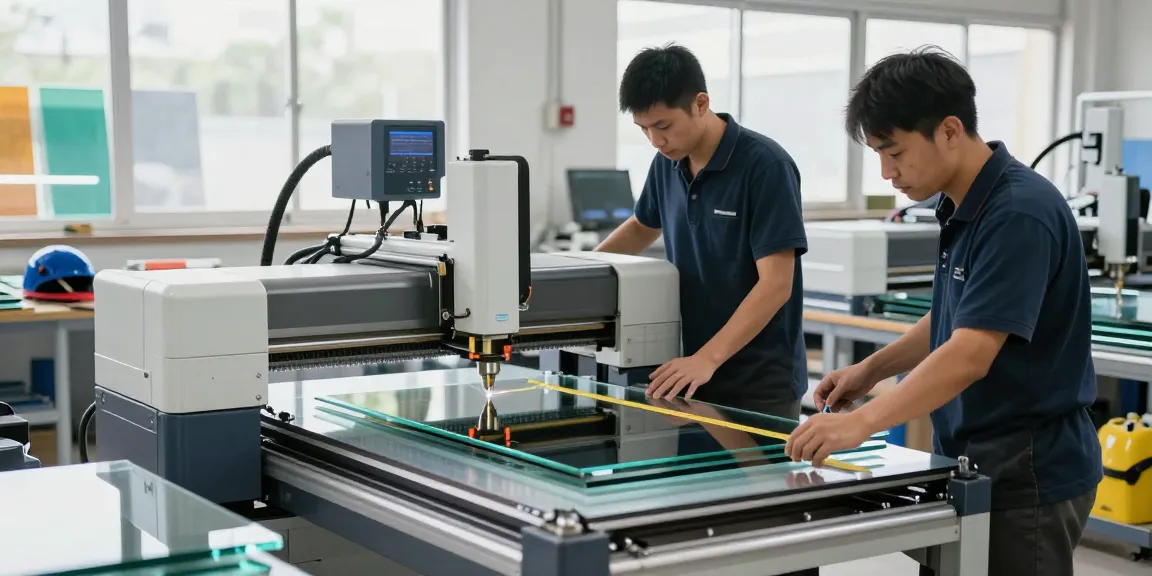
A cutting machine glass is specifically designed to cut glass accurately and efficiently. These machines utilize various technologies, including diamond-tipped blades, lasers, and CNC systems, to achieve precise cuts without chipping or cracking the material. They are crucial in glass processing industries, where the demand for high-quality glass products continues to rise. The machines range from manual models used by artisans to fully automated systems employed in large-scale manufacturing plants, ensuring versatility across applications.
Types of Cutting Machines for Glass
Several types of glass cutting machines exist to accommodate different production scales and complexities. Here are the most common types:
- CNC Glass Cutting Machines: These machines use computer numerical control for precision cutting. They are ideal for complex designs and large-scale production.
- Semi-Automatic Machines: These require some manual input but offer greater efficiency than fully manual systems. They are suitable for medium-sized operations.
- Handheld Cutters: Used mainly for small projects and artistic endeavors, these tools allow for detailed, manual control.
- Laser Cutting Machines: Utilizing laser technology, these machines provide extremely precise cuts and are perfect for intricate designs.
- Waterjet Cutters: Ideal for cutting thick glass, waterjet technology combines high-pressure water with abrasive materials to achieve clean cuts.
Key Features to Look For
When selecting a glass cutting machine, it is essential to consider the following features to ensure optimal performance:
- Cutting Speed: Faster cutting machines improve efficiency and productivity.
- Precision: Look for machines with advanced control systems for accuracy in dimensions and shapes.
- Versatility: A machine that can handle various glass types and thicknesses broadens its usability.
- Ease of Operation: User-friendly interfaces and controls minimize training time and enhance productivity.
- Maintenance Requirements: Consider machines that require less frequent servicing and have readily available parts.
Benefits of Using Advanced Glass Cutting Machines
Advanced glass cutting machines provide numerous benefits that can significantly impact production efficiency and product quality. Transitioning to modern machinery not only enhances capabilities but also leads to long-term cost savings.
Efficiency in Production Processes
By streamlining operations, advanced glass cutting machines minimize downtime and maximize output. Automated systems reduce the manual labor required, thus speeding up the production cycle. For instance, CNC machines can simultaneously cut multiple sheets of glass, which is a game changer for large production environments.
Improved Precision and Quality
With technological advancements, modern glass cutting machines offer superior precision compared to traditional methods. The ability to make minute adjustments results in fewer defects and a higher quality product. This precision is crucial in applications where exact dimensions are mandatory, such as in architectural glass or automotive glass production.
Cost Savings and Productivity Boost
Implementing advanced cutting machines can lead to significant cost savings in both labor and material. Reduced waste and efficient use of materials translate into lower production costs. Additionally, increased productivity enables businesses to meet higher order volumes without the need for additional labor, enhancing overall profitability.
Technology Trends in Cutting Machines for Glass
The glass processing industry is witnessing rapid technological advancements that continue to reshape the market. Being aware of these trends is crucial for manufacturers aiming to remain competitive.
Innovations in Automated Systems
Automation in glass cutting machines is becoming more prevalent, allowing for seamless integration into existing production lines. Innovations such as computer vision systems enable machines to detect imperfections and adjust the cutting process accordingly, ensuring optimal results.
Integration with CNC Technology
CNC technology is at the forefront of modern glass cutting, making it possible to achieve intricate designs with minimal human intervention. This integration not only enhances productivity but also allows for the creation of complex patterns that would be nearly impossible with manual equipment.
Impact of AI and Machine Learning
AI and machine learning are beginning to play a significant role in glass cutting technology. These technologies help predict maintenance needs, optimize cutting patterns, and improve overall machine efficiency. As these systems continue to evolve, they will undoubtedly lead to even greater advancements in the glass processing sector.
Choosing the Right Glass Cutting Machine
Selecting the appropriate glass cutting machine can be a daunting task given the plethora of options available. However, understanding specific requirements and the production environment can simplify the decision-making process.
Factors to Consider Before Purchase
Before investing in a glass cutting machine, consider the following factors:
- Production Volume: Determine the machine's output capacity based on your business needs.
- Glass Thickness: Ensure the machine can handle the thickness of glass you typically work with.
- Type of Glass: Consider whether you will be cutting tempered, laminated, or insulated glass, as each requires different machinery.
- Budget: Set a clear budget, taking into account not just the purchase price but also long-term operational costs.
Comparative Analysis of Leading Brands
When evaluating glass cutting machines, compare features, capabilities, and customer reviews of leading brands. Brands such as Zhengke Automation have established a reputation for quality and reliability, making them a strong consideration for many glass processing businesses.
Customer Testimonials and Case Studies
Reviewing customer testimonials and case studies can provide insights into real-world applications and performance. For example, businesses that have successfully integrated advanced cutting machines can share their experiences regarding efficiency gains and quality improvements, offering valuable information for prospective buyers.
Future of Glass Cutting Machines: What to Expect by 2026
The glass cutting industry is poised for transformative changes as new technologies emerge. Understanding these potential developments can help businesses plan for the future effectively.
Emerging Technologies on the Horizon
Emerging technologies like augmented reality (AR) and enhanced automation are expected to take center stage in the glass cutting industry. These advancements may facilitate remote machine operation and monitoring, allowing engineers to maintain oversight without being physically present.
Industry Predictions and Adaptations
Experts predict that by 2026, the glass processing industry will see an increased focus on sustainability, with machines that consume less energy and produce less waste becoming the norm. Companies will need to adapt to these changes to meet both regulatory demands and customer preferences.
Preparing Your Business for Future Innovations
To remain competitive, businesses should invest in training and develop a culture of innovation within their teams. Adopting a proactive approach to technology adoption will help organizations stay ahead of the curve as the glass processing landscape continues to evolve.
What is the best machine for cutting glass?
The best machine for cutting glass varies based on the specific needs of the business. CNC glass cutting machines are often favored for their precision and flexibility, making them suitable for both high-volume production and complex designs.
How do automatic glass cutting machines work?
Automatic glass cutting machines utilize a combination of computer programming and mechanical systems to execute precise cuts. They typically involve a scoring process followed by breaking, which separates the glass along the scored line.
What factors affect the cost of cutting machines for glass?
Factors that influence the cost of glass cutting machines include the technology used, the machine's capabilities, brand reputation, and additional features such as automation or integrated software solutions.
Are there specific maintenance tips for glass cutting machines?
Regular maintenance is crucial for the longevity of glass cutting machines. Key tips include keeping the cutting area clean, regularly checking alignment and calibration, and following the manufacturer's recommended service schedule.
How can I improve the efficiency of my glass cutting process?
To enhance efficiency in glass cutting, consider adopting automated systems, ensuring your machines are calibrated and maintained correctly, and training your operators continuously to optimize their workflows.