Understanding Electric Chain Hoist Cranes
Electric chain hoist cranes are pivotal in industrial lifting operations, known for their efficiency and reliability. Unlike their manual counterparts, electric chain hoists utilize motorized systems to lift loads, making them essential for high-demand environments such as construction, manufacturing, and warehouse operations. These cranes are characterized by their ease of use and the ability to handle heavy loads with minimal effort, providing substantial advantages in various logistical scenarios. Whether you are moving steel beams on a construction site or lifting heavy machinery in a factory, the electric chain hoist crane serves as a cornerstone of efficient operations.
What is an Electric Chain Hoist Crane?
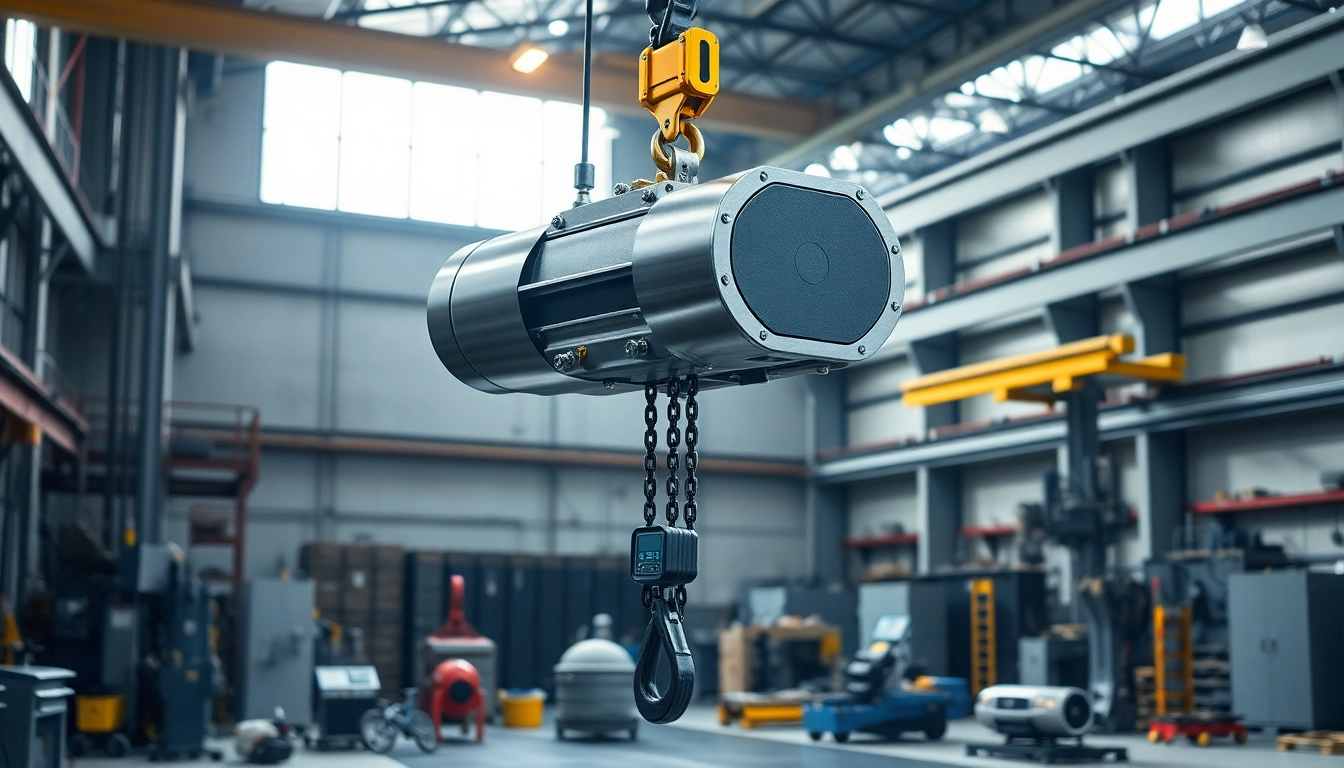
At its core, an electric chain hoist crane is a lifting device designed to raise and lower heavy loads through the use of an electric motor and a chain. These cranes employ a series of pulleys and chains to facilitate lifting, making them ideal for a range of applications. They are typically mounted on overhead structures or can be part of a trolley system that allows for horizontal movement. The integration of electric motors means that they can deliver higher lifting speeds and greater precision compared to manual hoists.
Key Features of Electric Chain Hoist Cranes
- Load Capacities: Electric chain hoists are available in various capacities ranging from a few hundred pounds to several tons, catering to diverse lifting needs.
- Speed Control: Many models come with adjustable speed settings, allowing operators to control the lifting and lowering speeds according to the specific requirements of their tasks.
- Durability: Constructed from robust materials, electric chain hoists are designed for heavy-duty use and can withstand harsh working conditions.
- Safety Features: Modern electric chain hoists are equipped with safety mechanisms such as overload protection, emergency stop buttons, and limit switches to avoid accidents during lifting operations.
Common Applications in Various Industries
Electric chain hoist cranes are versatile tools that find applications across numerous industries:
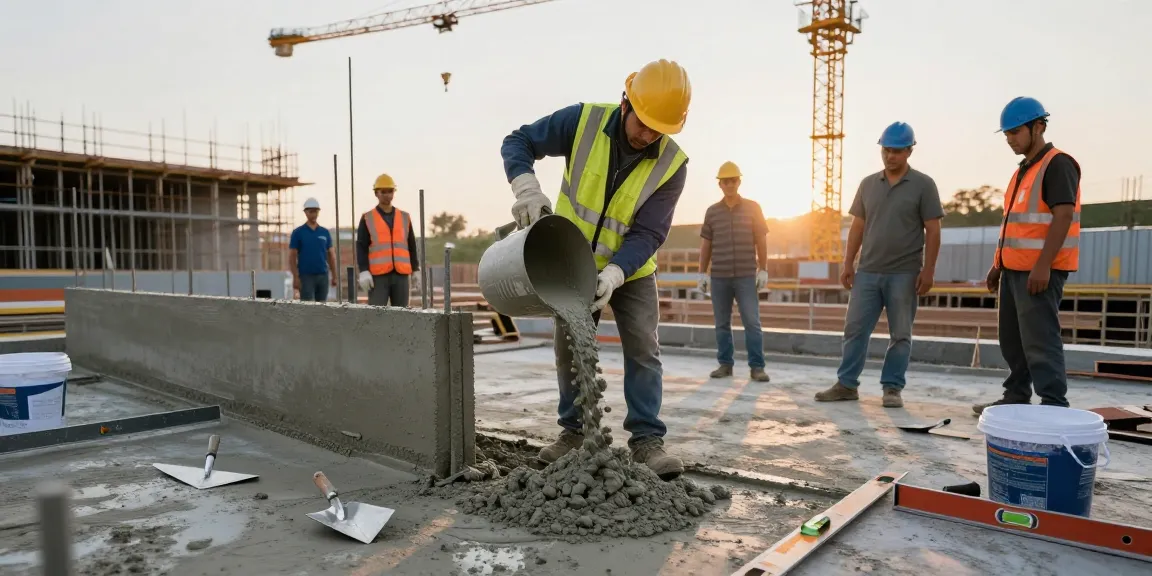
- Construction: Used for lifting heavy materials like concrete blocks, steel beams, and tools to various heights.
- Manufacturing: Essential in assembly lines for moving heavy parts or machinery components seamlessly throughout the production process.
- Logistics and Warehousing: Facilitates the movement of pallets or heavy goods, increasing efficiency in storage and retrieval operations.
- Aerospace: Used for lifting engines and components in the assembly of aircraft.
Benefits of Using Electric Chain Hoist Cranes
Enhanced Efficiency and Productivity
One of the primary benefits of utilizing electric chain hoist cranes is the significant boost in operational efficiency. These cranes allow for faster lifting and lowering times, which translates to reduced idle time during lifting operations. With the capability to handle heavier loads than manual hoists, workers can complete tasks more quickly, thus enhancing overall productivity. This is especially critical in high-stakes environments where time is often equated with money.
Improved Safety Standards in Lifting
Electric chain hoists are designed with numerous safety features that help mitigate risks associated with lifting heavy loads. The inclusion of overload protection systems, emergency stops, and automatic braking mechanisms ensures that loads do not fall unexpectedly. Enhanced safety standards in electric chain hoists provide operators and workers in proximity with greater peace of mind, reducing the likelihood of workplace accidents and injuries.
Cost Savings and Long-Term Value
While the initial investment in electric chain hoist cranes may be higher than manual options, the long-term savings are substantial. These hoists require less maintenance due to their robust construction and often come with warranties that protect the buyer. Additionally, the efficiency and speed of operation result in reduced labor costs, ultimately delivering a higher return on investment over time.
Selecting the Right Electric Chain Hoist Crane
Understanding Load Capacities and Specifications
When selecting an electric chain hoist crane, one must first consider the load capacities required for the specific applications. It is crucial to evaluate the maximum weight that will be lifted, as exceeding the capacity can lead to dangerous situations. Manufacturers often provide detailed specifications for each model, which should be thoroughly reviewed to ensure compatibility with your lifting needs.
Evaluating Brand Options and Performance
Several reputable brands dominate the electric chain hoist market, including Harrington, Coffing, and CM. Each brand offers varying levels of performance, features, and warranties. Researching user reviews and performance ratings can provide insights into which brand will best meet your expectations. Additionally, consider reaching out to vendors for demonstrations or trials to ascertain the best fit for your operational requirements.
Customization and Add-On Features
Many electric chain hoists come with customizable options that can enhance their functionality. Features such as remote control operation, different chain lengths, or additional safety devices can further optimize performance for specific applications. When selecting a hoist, consider what add-ons would benefit your operations the most, and discuss these options with your supplier.
Best Practices for Operating Electric Chain Hoist Cranes
Regular Maintenance and Safety Checks
Regular maintenance is critical to ensuring the longevity and efficient operation of electric chain hoist cranes. Establishing a routine inspection schedule that includes checking for wear and tear, lubrication of moving parts, and testing safety features can help identify potential issues before they escalate. Adhering to the manufacturer’s maintenance guidelines will also prevent costly repairs and downtime.
Training Requirements for Operators
Proper training for operators is essential in maximizing the effectiveness of electric chain hoist cranes. Personnel should be well-versed in the operational procedures, safety protocols, and emergency response plans associated with the equipment. Implementing hands-on training sessions and refresher courses can ensure that operators remain knowledgeable about the most current practices and technologies.
Proper Load Handling Techniques
To maintain safety during lifting operations, it is imperative to follow proper load handling techniques. Ensure that loads are balanced and secured before lifting, and avoid sudden movements that could lead to swinging or tipping. Operators should also be trained to recognize the limitations of the hoist and the environment in which they are working, particularly regarding overhead obstructions and load stability.
Future Trends in Electric Chain Hoist Cranes
Innovative Technologies to Watch in 2025
The landscape of electric chain hoist cranes is rapidly evolving with advancements in technology. Innovations such as IoT integration for real-time monitoring of hoist performance and predictive maintenance features are becoming more commonplace. These technologies enable operators to gain insights into usage patterns and potential issues before they arise, greatly enhancing operational efficiency.
Sustainability and Eco-Friendly Practices
As industries move towards more sustainable practices, electric chain hoist cranes are also adapting. Manufacturers are developing energy-efficient hoists that consume less power and utilize recyclable materials in construction. Adopting such eco-friendly solutions not only contributes to environmental preservation but can also lead to cost savings in energy expenditures.
Emerging Market Demands and Opportunities
With the continuous growth of e-commerce and logistics sectors, the demand for efficient lifting solutions has skyrocketed. Electric chain hoist cranes are increasingly being integrated into automated systems that enhance warehouse management and inventory handling. As market dynamics shift, there will be new opportunities for innovative applications of electric chain hoists in diverse industries.