Understanding the Concept of a Wellness Retreat
The Essence of a Wellness Retreat
A wellness retreat is a journey aimed at rejuvenating both the body and mind. It typically involves a variety of activities and therapies designed to promote overall health and well-being. From yoga and meditation to nutritional workshops and nature immersion, participants are encouraged to disconnect from daily stresses and focus on self-care. Such a retreat offers a space where individuals can retreat from their everyday routines, find balance, and cultivate a deeper sense of inner peace. Wellness retreat experiences can vary widely, from intimate weekend getaways to immersive week-long programs.
Core Benefits of Attending a Wellness Retreat
The benefits of attending a wellness retreat are manifold and go far beyond a temporary escape. Firstly, participants often report reduced stress and anxiety levels as they engage in mindfulness practices that facilitate relaxation. Moreover, a heightened awareness of one’s physical health can lead to improved lifestyle choices, whether that entails adopting a balanced diet or incorporating regular exercise into one’s routine.
Social connections are also a vital part of this experience; sharing the retreat with like-minded individuals can forge lasting friendships and foster a sense of community. Furthermore, wellness retreats often include expert-led sessions that impart knowledge on mental, emotional, and physical wellness, equipping individuals with tools for long-term personal growth.
Types of Wellness Retreats Available
There are numerous types of wellness retreats tailored to cater to different needs and preferences. Here are some popular categories:
- Yoga Retreats: Focus primarily on various styles of yoga practice combined with mindfulness techniques.
- Nature Retreats: Emphasize outdoor activities such as hiking, eco-therapy, and nature walks to reconnect with the natural world.
- Detox Retreats: Center on dietary changes and cleansing practices to rejuvenate the body and eliminate toxins.
- Spiritual Retreats: Often include practices like meditation, prayer, or mindfulness aimed at encouraging spiritual growth.
- Fitness Retreats: Combine exercise programs like boot camps, kickboxing, or group classes with wellness education.
Choosing the Right Wellness Retreat for You
Identifying Personal Wellness Goals
Before selecting a wellness retreat, it is essential to identify your personal wellness goals. Are you looking to reduce stress, enhance physical fitness, connect spiritually, or pursue emotional healing? Understanding your motivations will shape your choice and ensure that the retreat aligns with your unique needs. Taking time to self-reflect can help clarify your intentions, enabling a more meaningful experience.
Researching Wellness Retreat Locations
Once you have established your goals, it's time to research various wellness retreat locations. Different environments—rural, coastal, or mountainous—offer distinct advantages. Consider factors such as accessibility, climate, and available facilities. Additionally, reading reviews and testimonials from previous participants can provide insights into the effectiveness and ambience of the retreat. Lastly, pay attention to the overall reputation of the retreat center; this can ensure a quality experience.
Evaluating Retreat Programs and Activities
Every wellness retreat offers different programs and activities, which should be evaluated against your identified goals. Look for retreats that provide a well-rounded schedule, including yoga sessions, meditation, guided nature walks, and educational workshops on nutrition. It's also beneficial to check the experience and qualifications of the staff leading these sessions, as expert guidance can significantly enhance your retreat experience.
What to Expect During Your Wellness Retreat
Daily Schedules and Accommodations
Typically, wellness retreats feature structured daily schedules that include a variety of activities aimed at fostering personal growth and relaxation. Upon arrival, participants can expect an orientation session introducing the schedule, accommodations, and expectations.
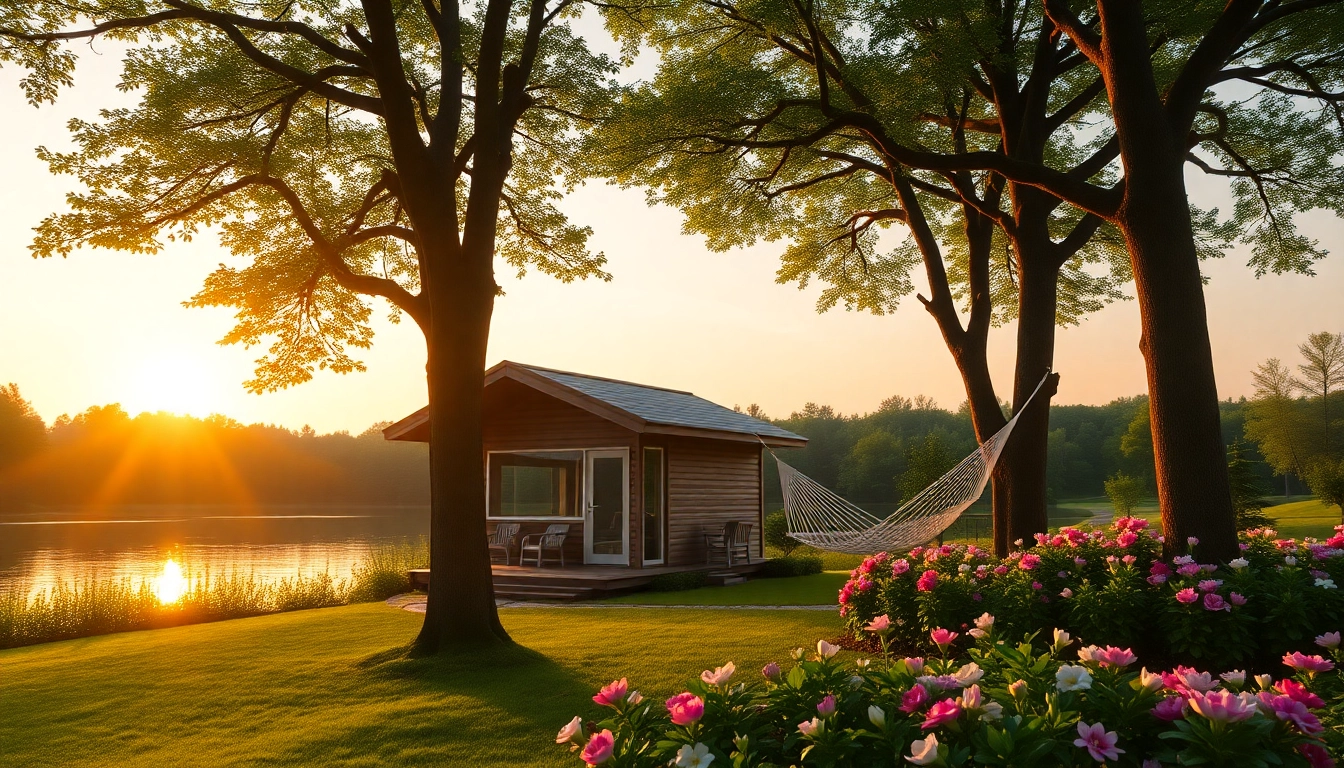
Accommodations can range from luxury facilities to more simplistic environments, with each option impacting your overall experience. Consider what's essential for your comfort when choosing a retreat—some prefer serene private cabins, while others may favor shared spaces that encourage social interactions.
Common Activities and Therapies Offered
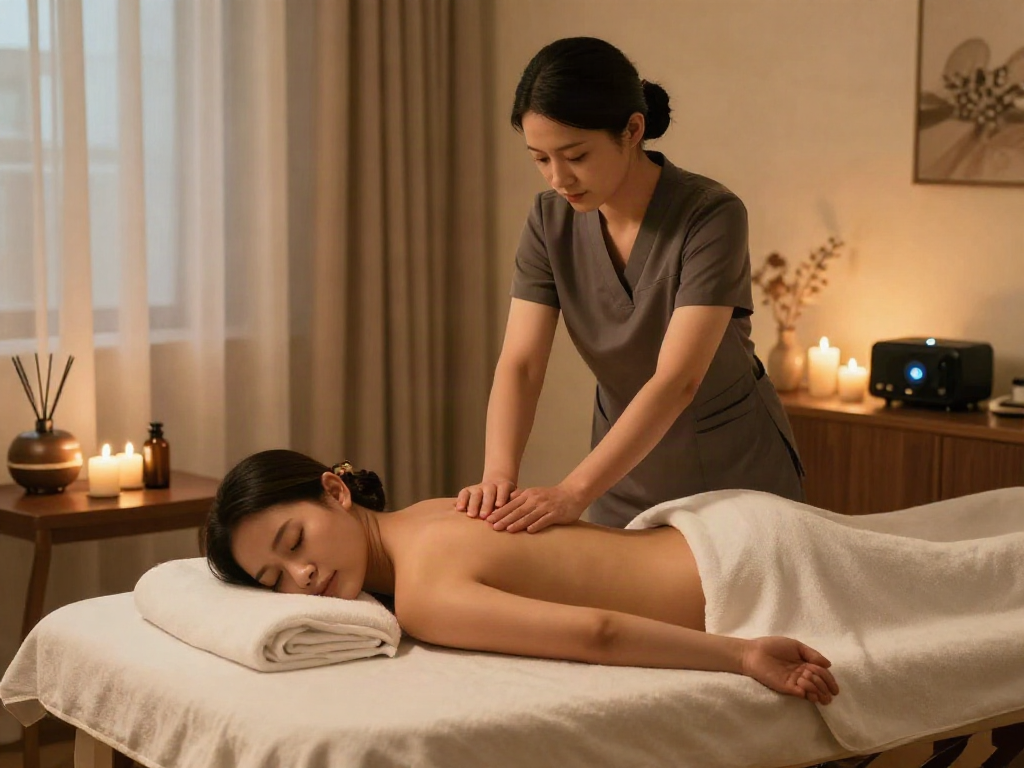
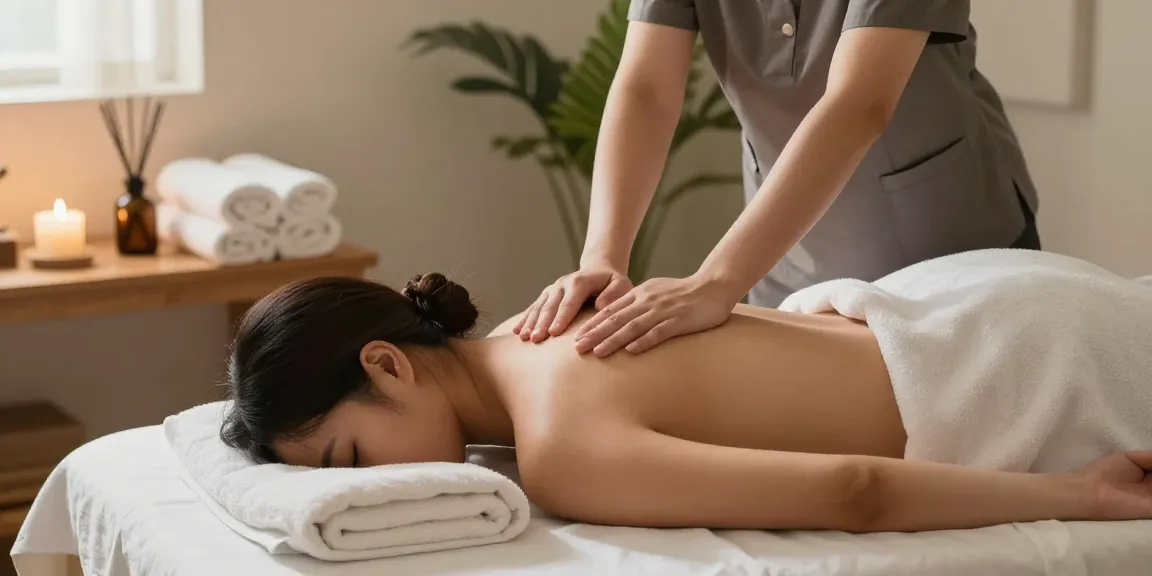
Common activities during wellness retreats include yoga, meditation, guided hikes, and nutritional workshops. Many retreats also offer alternative therapies, such as massage, acupuncture, or journaling workshops. These activities aim to foster a holistic approach to well-being by addressing mental, physical, and emotional health.
Nutrition and Meal Options at Retreats
Nutritional offerings at wellness retreats are typically designed to promote health and healing. Meals may consist of locally sourced, organic ingredients, often tailored to suit various dietary needs, including vegetarian and gluten-free options. Many retreats also provide cooking classes or nutrition workshops to empower participants with culinary skills that can be translated into their everyday lives.
Preparing for Your Wellness Retreat
Packing Essentials for a Comfortable Stay
Preparation is key for an enjoyable wellness retreat experience. Essential items to pack include comfortable clothing suitable for yoga and outdoor activities, personal hygiene products, and perhaps a journal for self-reflection. Many retreats provide amenities, but bringing your favorite items can create an added element of comfort. Don’t forget any medications or specific health products that may be necessary for your well-being.
Mental and Emotional Preparation Strategies
It's crucial to mentally prepare for your wellness retreat to maximize benefits. This phase involves setting clear intentions and visualizing your desired outcomes. Consider practicing mindfulness or meditation before the event to center your thoughts. Engaging in gratitude exercises to acknowledge what you want to release during the retreat can also cultivate emotional readiness.
Setting Goals for Your Retreat Experience
Setting specific goals for your retreat experience can foster a sense of direction. Write down what you hope to achieve and focus on measurable outcomes, such as implementing a daily meditation practice or improving your physical fitness. This will create a framework for evaluating your progress throughout the retreat.
Post-Retreat Integration and Maintenance
Continuing Wellness Practices at Home
After returning from a wellness retreat, it’s essential to integrate what you’ve learned into your daily life. Start by establishing a daily routine that incorporates practices such as meditation, yoga, or meal prepping. Create a personalized checklist of wellness habits you wish to maintain, ensuring the benefits of your retreat extend beyond its timeframe.
Creating a Support System Post-Retreat
Building a support system can enhance the effectiveness of your post-retreat experience. Connect with fellow participants to create a network that encourages accountability. Participating in local wellness groups or online communities can also provide motivation and support when faced with challenges.
Measuring Your Transformation After the Retreat
To understand the transformative impact of your wellness retreat, it’s crucial to measure your progress. Reflect on your initial goals and write down any changes you notice in your emotional and physical well-being. Consider journaling your feelings and experiences over time, as this can help visualize your growth and encourage ongoing commitment to wellness.
Frequently Asked Questions
What should I bring to a wellness retreat?
Essential items include comfortable clothing, personal hygiene products, and any medications. A journal can help document your experiences.
How long do wellness retreats usually last?
Wellness retreats typically range from weekend getaways to week-long programs, depending on personal schedule and desire for immersion.
Are wellness retreats suitable for beginners?
Yes, many retreats cater to individuals of all fitness levels, including beginners. Most programs provide options to adapt activities based on individual comfort.
Can I attend a wellness retreat alone?
Absolutely! Many participants attend solo, and retreats often foster a supportive community where you can meet like-minded individuals.
What types of dietary options are available?
Retreats usually cater to various dietary preferences, including vegan, vegetarian, gluten-free, and allergen-friendly meal options. Be sure to inquire beforehand.