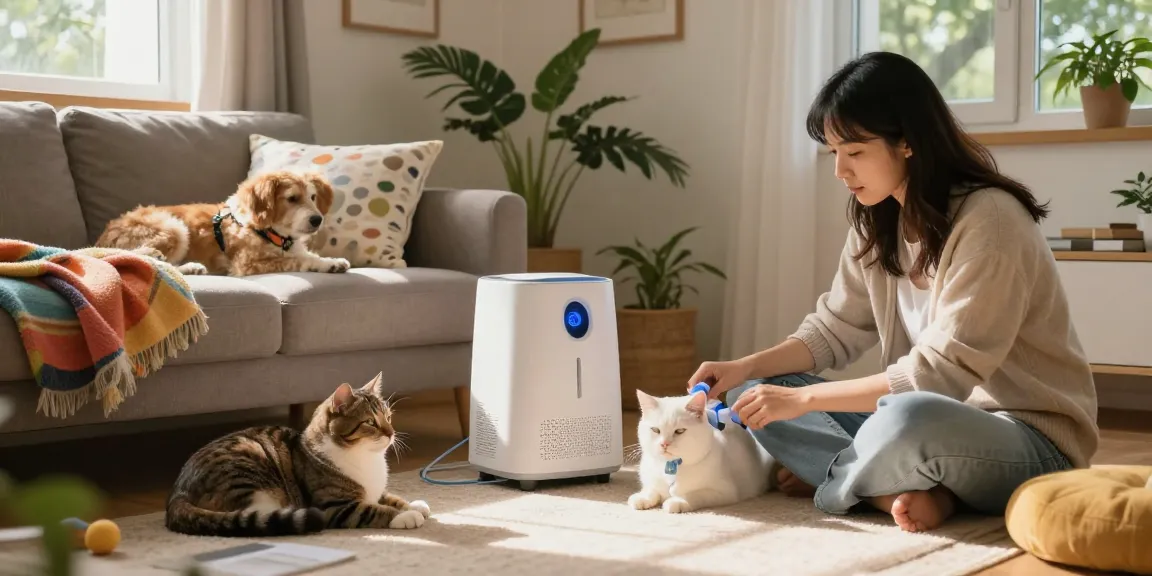
Understanding Oxygen Therapy for Pets
As pet owners, ensuring the well-being of our furry companions is a top priority. One critical aspect of pet health that is often overlooked is the need for oxygen therapy. Oxygen support for pets has become increasingly important, especially as awareness grows regarding various respiratory issues that can affect our beloved animals. In this article, we will dive deep into the world of oxygen therapy, exploring what it is, how it works, and how it can significantly benefit pets in need.
What is Oxygen Support for Pets?
Oxygen support for pets involves providing supplemental oxygen to animals that are experiencing respiratory difficulties. This therapy can be crucial for pets suffering from conditions such as chronic bronchitis, congestive heart failure, or after surgery. The goal of oxygen therapy is to increase the amount of oxygen available in the bloodstream, thereby alleviating the symptoms of hypoxia (insufficient oxygen) and enhancing overall quality of life.
Benefits of Oxygen Support for Pets
- Improved Breathing: Oxygen therapy helps pets breathe more easily, reducing stress during respiratory distress.
- Faster Recovery: Supplemental oxygen can expedite healing after surgical procedures or severe illness.
- Enhanced Comfort: Providing oxygen can relieve anxiety in pets who are struggling to breathe, promoting a sense of calm.
- Better Quality of Life: With effective oxygen support, many pets can enjoy a more active and fulfilling life.
Common Conditions Requiring Oxygen Therapy
Various medical conditions can prompt the need for oxygen therapy in pets, including:
- Chronic Respiratory Diseases: Conditions such as chronic obstructive pulmonary disease (COPD) or asthma may necessitate oxygen support.
- Congestive Heart Failure: Pets with heart issues may experience fluid buildup in the lungs, leading to breathing difficulties.
- Infections: Pneumonia and other respiratory infections can impair normal breathing, requiring oxygen administration.
- Post-Surgery Recovery: Pets may need oxygen therapy to aid recovery after undergoing anesthesia or surgery.
Types of Oxygen Equipment for Pets
When considering oxygen therapy for pets, several types of equipment are available to cater to different needs and settings. Understanding these options can help pet owners make informed decisions about the best course of action.
Portable Oxygen Concentrators
Portable oxygen concentrators are compact devices that provide supplemental oxygen for pets on the go. These are especially useful for pet owners who travel with their animals or those who wish to provide oxygen therapy outside the home. They are designed for easy transportation and can be powered through various means, such as batteries or car chargers.
Home Oxygen Concentrators
Home oxygen concentrators are larger, stationary devices that deliver a continuous flow of oxygen to pets. Typically used when a pet requires long-term oxygen support, these concentrators ensure a steady supply of oxygen is available for the duration of treatment. They are often more cost-effective for extended use compared to portable units.
Essential Accessories for Oxygen Therapy
In addition to the main oxygen equipment, several accessories are essential for effective oxygen therapy. These include:
- Oxygen Masks: Designed specifically for pets, these masks allow for direct oxygen delivery.
- Nasal Cannulas: These devices provide oxygen through the nose and can be less stressful for many animals.
- Oxygen Cages: Special cages designed to hold pets while they receive oxygen therapy.
- Humidifiers: Used to add moisture to the oxygen supply, preventing dryness and discomfort.
How to Obtain Oxygen Support for Pets
When it comes to securing oxygen support for your pet, understanding the available options can make the process less daunting. There are generally two routes—renting or purchasing the necessary equipment.
Rental vs. Purchase: What’s Best for Your Pet?
Deciding whether to rent or purchase oxygen equipment depends on the specific needs of your pet and your financial considerations. Renting can be a cost-effective solution for short-term needs, such as recovery from surgery. Conversely, for pets requiring long-term care, purchasing equipment might be more economical in the long run. Assessing your pet's condition and consulting with a veterinarian can provide clarity on the best choice.
Choosing the Right Plan for Your Needs
Each pet's needs vary, making it essential to choose an oxygen support plan that fits both your pet's medical requirements and your budget. Many providers offer tailored plans, including trial options for temporary needs and comprehensive packages for ongoing care.
Payment Options and Flexibility
Most oxygen supply services provide multiple payment options, including credit cards, bank transfers, and cash on delivery. Flexibility is a key consideration, so look for services that allow you to adjust your plan as your pet's needs change over time.
Setting Up Oxygen Therapy at Home
Establishing an effective oxygen therapy regimen at home involves several important steps. Proper setup ensures that your pet receives the maximum benefit from the therapy.
Steps to Get Started with Oxygen Equipment
To initiate oxygen therapy, begin by acquiring the necessary equipment and accessories. Follow these steps:
- Consult with your veterinarian to assess the need for oxygen therapy.
- Select the right equipment based on your pet's requirements.
- Have the equipment delivered and set up by the provider to ensure proper installation and function.
- Familiarize yourself with the operation of the equipment, including flow rates and maintenance.
Safety Tips for Using Oxygen Support
Ensuring safety during oxygen therapy is paramount. Here are some essential safety tips:
- Keep the oxygen equipment away from open flames or heat sources.
- Regularly check the oxygen levels and flow settings as prescribed by your veterinarian.
- Monitor your pet consistently for any signs of distress or changes in behavior.
- Ensure that the equipment is well-maintained and free from any obstructions.
Monitoring Your Pet’s Response
Regularly observe your pet's response to oxygen therapy. Look for improvements in breathing, energy levels, and overall behavior. Document any changes and communicate with your veterinarian, especially if you notice any adverse effects.
Future of Oxygen Support for Pets
As veterinary medicine evolves, the future of oxygen support for pets looks promising. Innovations in technology and therapy delivery will likely enhance the effectiveness and accessibility of oxygen therapy for pets across various conditions.
Emerging Trends in Pet Health Technologies
Technological advancements are paving the way for more sophisticated oxygen delivery systems. Innovations may include smarter portable devices that monitor oxygen levels in real-time and provide alerts to pet owners, ensuring optimal treatment.
Innovations in Oxygen Delivery Systems
Future oxygen delivery systems may feature user-friendly interfaces and advanced filtration systems to enhance usability and safety. Enhanced portability will also be on the horizon, allowing for seamless therapy during travel or outdoor activities.
Predicting the Needs of Pets in 2026 and Beyond
Looking ahead, the prediction is for a growing demand for oxygen therapy as pet owners become increasingly aware of its benefits. As our understanding of pet health continues to advance, tailored therapies will ensure that pets receive the best care possible.
What Should Pet Owners Know?
Pet owners must stay informed about their pets' health and any signs indicating the need for oxygen therapy. Awareness, combined with timely veterinary consultations, can be life-saving.
Will oxygen therapy become more accessible?
As awareness increases, more companies are likely to offer rental and purchase options for oxygen therapy equipment, making it more accessible for pet owners across various regions.
How can I ensure the best care for my pet?
The best care involves regular veterinary check-ups, staying attuned to your pet's needs, and ensuring you have the right resources in place should oxygen therapy become necessary.