Introduction to Wildfire events
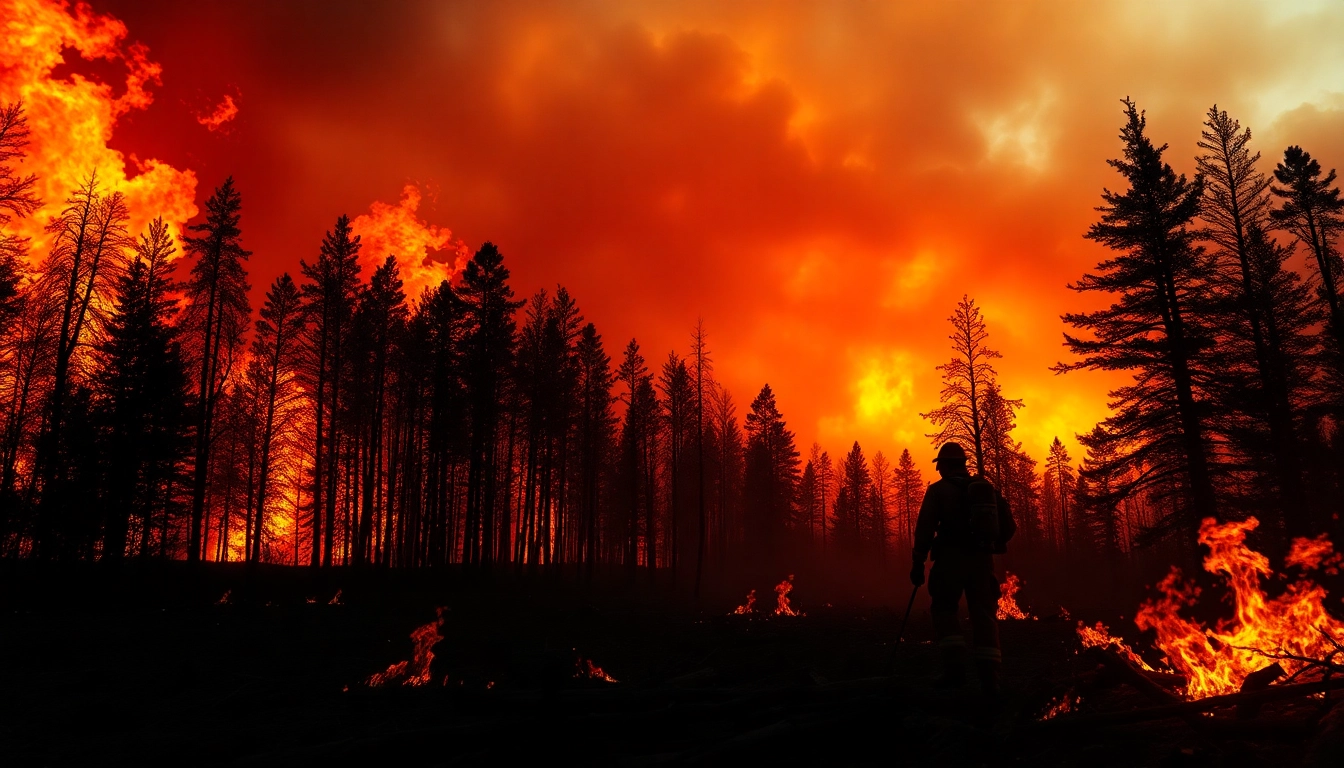
Wildfire events are natural phenomena characterized by uncontrolled fires in wooded or brushy areas, representing a significant aspect of ecosystem dynamics. These events, often triggered by lightning, human activity, or environmental factors, have far-reaching implications for biodiversity, climate, and community safety. As the frequency and intensity of these fires increase globally, understanding their complexities is crucial for mitigation and adaptation strategies. For more information on managing Wildfire events, we delve into the anatomy of wildfires, their causes, ecological impacts, and the essential preparedness measures communities can implement.
What Are Wildfire events?
Wildfires, also known as forest fires or bushfires, are uncontrolled fires that typically spread through vegetation, fueled by dry conditions, wind, and various combustible materials. They can range in scale from small ground fires to massive infernos that consume thousands of acres. Wildfires are classified into different types based on their characteristics, behavior, and the conditions under which they ignite and spread.
Understanding wildfires involves recognizing the components of a fire triangle: heat, fuel, and oxygen. The fire ignites when these three elements come together, creating a self-sustaining process that can lead to catastrophic outcomes in human communities and natural ecosystems.
Causative Factors of Wildfire events
The causative factors of wildfire events can be categorized into natural and human-induced triggers. Natural causes often include:
- Lightning Strikes: A common natural ignition source, especially in dry regions.
- Spontaneous Combustion: Specific environments can reach critical temperatures, causing organic matter to ignite.
Human activities significantly contribute to the onset of wildfires. Common human-induced causes include:
- Campfires: Unattended or improperly extinguished fires can spread quickly.
- Arson: Deliberate actions to start fires for various motives.
- Equipment Use: Sparks from machinery, vehicles, or power lines.
- Cigarettes: Discarded improperly, they can start fires in brush areas.
The Ecological Role of Wildfire events
Wildfires play a complex role in ecosystem health. While they can have destructive consequences, they are also essential for the regeneration of certain plants and the maintenance of biodiversity. Many species depend on fire for their life cycles; for example, certain pine trees have seeds that only germinate after exposure to high temperatures. Fire can:
- Clear Underbrush: Reducing competition for nutrients, allowing new plants to thrive.
- Maintain Habitat: Many animal species require post-fire environments for nesting and foraging.
- Enhance Nutrient Cycling: By breaking down dead organic matter, fires contribute to soil health.
Effects of Wildfire events on Environment
Wildfire events and Climate Change
The relationship between wildfires and climate change is reciprocal. Increased temperatures, prolonged droughts, and changing precipitation patterns create an environment conducive to wildfires. In turn, wildfires contribute to climate change by releasing significant amounts of carbon dioxide and other greenhouse gases into the atmosphere. This cycle exacerbates the global warming phenomenon, leading to more frequent and severe wildfire events, which fuels a continuous cycle of environmental degradation.
Impact on Wildlife and Biodiversity
Wildfires have profound effects on wildlife and biodiversity. Repeated or intense wildfires can alter habitats and affect wildlife populations. Many species face displacement due to habitat loss, while others may thrive in the post-fire landscape that offers new growth and resources. The impact of wildfires on biodiversity includes:
- Species Loss: Critical habitats may be destroyed, leading to population declines.
- Invasive Species: Post-fire environments can be conducive to the spread of invasive species, further threatening native biodiversity.
- Habitat Restoration: However, some species may benefit from the renewal of their habitats.
Soil Degradation and Recovery Post-Wildfire events
Wildfires influence soil composition and health, leading to both immediate degradation and long-term recovery processes. The intense heat can lead to soil hydrophobicity, reducing water absorption and increasing erosion risks. However, over time, soils can recover, especially with appropriate restoration measures in place:
- Natural Succession: With time, ecosystems may regenerate naturally as plant life returns.
- Restoration Practices: Strategies including erosion control, replanting, and monitoring can accelerate soil health recovery.
Community Preparedness for Wildfire events
Assessing Risk and Vulnerability
A successful wildfire preparedness plan begins with assessing risks and vulnerabilities specific to the community. Factors to evaluate include:
- Proximity to Wildlands: Communities near forests or grasslands face higher risks.
- Building Materials: The fire resistance of homes and infrastructure plays a significant role in risk levels.
- Evacuation Routes: Understanding available paths and accessibility during emergencies is crucial for safety.
Creating a Wildfire Action Plan
Establishing a Wildfire Action Plan involves outlining steps that residents and local governments can take to mitigate risks. This should include:
- Community Education: Informing residents about fire risks and safety practices.
- Land Management: Implementing defensible space strategies around properties.
- Emergency Response Coordination: Collaborating with local fire departments and agencies for emergency plans.
Community Training and Resources
Training and resources are essential for community preparedness. Offering classes on wildfire safety, creating community drills, and providing information on fire-resistant landscaping can enhance readiness.
Best Practices for Wildfire events Management
Firebreaks and Controlled Burns in Regulation
Firebreaks are cleared or managed areas designed to stop or slow the spread of wildfires. Controlled burns, or prescribed fires, are strategically planned fires that help reduce fuel loads and restore ecosystems. Key practices include:
- Regular Assessments: Regularly evaluate firebreaks and controlled burn techniques to ensure effectiveness.
- Policy Development: Develop and enforce regulations regarding safe burn practices.
Adopting Sustainable Land Management Techniques
Sustainable land management practices can significantly reduce wildfire risks. These practices include:
- Thinning Forests: Reducing tree density and removing dead trees lower fire intensity.
- Restoring Fire-Resilient Landscapes: Encouraging biodiversity can create natural barriers to fire.
Collaboration with Local Agencies
Collaborating with local fire departments and environmental agencies is vital. Establishing communication channels enhances preparation, response, and recovery efforts. Involving local stakeholders in training and policy development ensures community needs are prioritized.
Post-Wildfire events Recovery Strategies
Assessment and Damage Evaluation
Recovering from wildfire events begins with thorough assessments of the damage. Key steps include:
- Infrastructure Assessment: Evaluating damage to roads, utilities, and buildings to identify immediate needs.
- Environmental Impact Studies: Understanding the ecological damage for targeted recovery efforts.
Restoration of Habitats
Restoring habitats post-wildfire is essential for ecosystem recovery. This involves:
- Replanting Native Species: Reintroducing local flora helps restore biodiversity.
- Monitoring Wildlife: Assessing and supporting wildlife populations to help them recover.
Community Support and Engagement
Engaging the community in recovery efforts fosters resilience. Providing resources for mental health support and organizing volunteer campaigns aids community healing. Active participation encourages a stronger sense of community and enhances preparedness for future wildfire events.
Frequently Asked Questions
What causes wildfire events?
Wildfires can be ignited by natural events, like lightning, or human activities, such as campfires, discarded cigarettes, or arson.
How do wildfires affect air quality?
Wildfires emit smoke containing pollutants, leading to poor air quality that can cause respiratory issues and other health problems.
Can wildfires be beneficial?
Yes, moderate wildfires can promote ecosystem health by clearing dead vegetation and encouraging new plant growth.
How can communities prepare for wildfires?
Communities can prepare by assessing risks, creating action plans, educating residents, and collaborating with local agencies.
What should I do if a wildfire approaches my area?
Stay informed, prepare an emergency kit, follow evacuation orders, and have a clear evacuation plan to ensure safety.