Understanding C19/C20 Connectors
The C19 and C20 connectors are integral components in the IEC 60320 series, designed specifically for high-power applications. As technology continues to evolve, the demand for reliable and efficient power connections in various sectors is more critical than ever. The C19 and C20 connectors are built to support devices that require substantial electrical current, making them indispensable for modern infrastructure. When exploring options, C19/C20 connectors bring a wealth of features and benefits that cater to the needs of today’s high-demand environments.
What are C19/C20 Connectors?
The C19 and C20 connectors are high-current AC power connections standardized in the IEC 60320 series. The C19 connector is a female type typically found on power cords, while the C20 serves as its male counterpart, used primarily as an inlet on equipment. Together, they ensure a secure and reliable power coupling for devices that exceed the current capacity of standard connectors like C13 and C14.
Design Features and Specifications
- Current Rating: C19 and C20 connectors are rated up to 16A at 250VAC under the IEC standards, with the ability to handle 20A for North American UL and CSA certifications.
- Physical Size: These connectors are larger than their lower-power counterparts, as they are engineered to safely deliver more current.
- Grounding Pin: Both connectors feature a grounding pin as part of their three-pole design, enhancing safety by ensuring proper earth connection.
- Wire Sizes: C19/C20 connectors accommodate wire sizes up to 3 x 2.5mm² (12 AWG) with an overall cable diameter of up to 12mm.
Applications in High-Power Equipment
The C19 and C20 connectors are extensively used in various high-power applications, including:
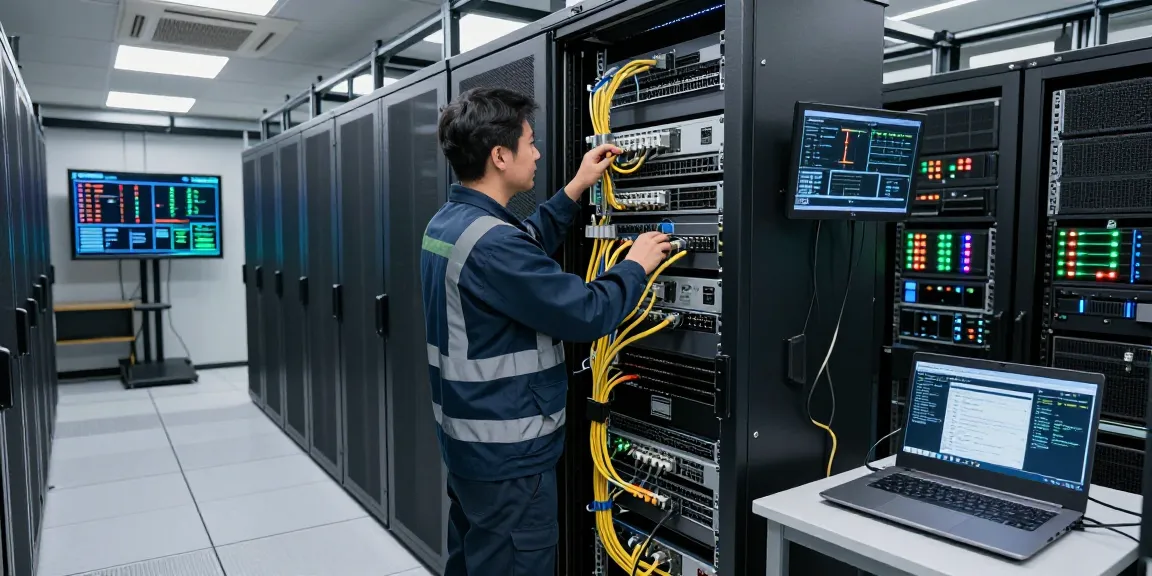
- Data Centers: They are commonly employed in server rooms to connect high-demand power distribution units (PDUs) to servers and other network devices.
- UPS Systems: C19/C20 connectors are critical in uninterruptible power supplies, ensuring that power-intensive equipment remains operational during outages.
- Heavy-Duty Industrial Electronics: These connectors are utilized in large-scale industrial applications where power reliability is essential.
- Commercial Appliances: Many commercial appliances also rely on C19/C20 connections for their high power requirements.
Benefits of C19/C20 Connectors
Enhanced Power Delivery for Critical Systems
The primary advantage of using C19/C20 connectors is their capability to deliver enhanced power to critical systems. Their design allows for higher currents, which is vital for equipment with substantial power needs. This reliability is non-negotiable in environments such as data centers, where even a slight interruption in power can lead to significant data loss or system failures.
Safety Features and Compliance Standards
C19 and C20 connectors follow rigorous international safety standards, including UL, CE, and CCC certifications. These compliance standards ensure that devices equipped with these connectors are safe for use and can reliably handle their rated current without overheating or risk of electrical failure.
Comparison with Other IEC Connectors
When comparing C19/C20 connectors to other types, such as C13/C14, it's evident that C19/C20 are designed for higher current applications. While C13/C14 connectors are suitable for devices that consume lower power, they would not adequately support the high-demand equipment that C19/C20 connectors are built to handle. This delineation is crucial for ensuring that the right connectors are used for the specific power requirements of each device.
Common Challenges with C19/C20 Installations
Identifying Compatibility Issues
One of the most common challenges when working with C19/C20 connectors is ensuring compatibility with existing equipment and power sources. Users must verify that equipment using C20 inlets can accept C19 connector power cords, particularly when dealing with region-specific power supply standards.
Overcoming Installation Complexities
Installation can become complex, particularly in environments with existing electrical infrastructure. Professionals must take care to follow electrical codes and safety regulations while also accommodating the larger size of C19/C20 connectors, which may require adjustments to existing installations.
Maintaining Cable Management Best Practices
Effective cable management is essential in high-power setups to prevent overheating and ensure operational efficiency. C19/C20 setups benefit from organized cable routing and management solutions that minimize the risk of damage and help maintain airflow in server rooms or industrial settings.
Best Practices for Using C19/C20 Connectors
Ensuring Proper Configuration and Setup
To maximize the performance of C19/C20 connectors, it is critical to ensure that they are properly configured and installed. This includes verifying that the connectors are securely fastened and that all equipment is correctly rated for the current levels expected to run through these connectors.
Regular Maintenance and Inspection Protocols
Regular maintenance is paramount for systems utilizing C19/C20 connectors. Inspections should be scheduled to check for wear and tear on connectors, cables, and devices to prevent failure. During these inspections, professionals should look for signs of overheating, fraying, or damage.
Implementing Effective Power Distribution Strategies
Careful planning of power distribution is essential when deploying systems with C19/C20 connectors. This includes ensuring that PDUs are adequately rated for the anticipated load and are placed in optimal locations to manage power distribution efficiently across all devices.
Future Trends and Developments (2026 and Beyond)
Emerging Technologies in High-Power Connections
As technology advances, the demand for more efficient and innovative power solutions will grow. Emerging technologies such as smart PDUs are being developed to enhance monitoring and control of power distribution, ensuring that C19/C20 connectivity remains reliable.
Predictions for Data Center Infrastructure
In the coming years, data centers are expected to see increased density and power demands. The use of C19/C20 connectors will likely expand, especially as organizations upgrade their power infrastructure to meet the needs of advanced technologies such as cloud computing and AI.
Innovations in C19/C20 Connector Design
Connector designs are also anticipated to evolve, focusing on enhancing efficiency and safety. Innovations could include improvements in thermal management, allowing these connectors to handle even higher currents without compromising safety.
What is the maximum current rating for C19/C20 connectors?
The C19/C20 connectors are typically rated for a maximum of 16A at 250VAC under IEC standards, while they can handle up to 20A at standard mains voltages in North America.
Are C19 connectors compatible with C20 inlets?
Yes, the IEC 60320 type C20 plug is designed specifically to connect with the C19 connector, facilitating a secure power connection for high-demand devices.
What industries primarily use C19/C20 connectors?
C19/C20 connectors are primarily utilized in industries such as IT, telecommunications, healthcare, and manufacturing, where reliable and high power connections are crucial.
How do C19/C20 connectors ensure safety?
The inclusion of grounding pins in their design, along with compliance to international safety standards, ensures that C19/C20 connectors provide reliable and safe connections for high-demand equipment.
What advances are expected in C19/C20 technology?
Future advancements in C19/C20 technology may include enhanced materials for better temperature resistance, smarter connectivity features for monitoring, and designs that facilitate easier installations while maintaining safety and efficiency.. Additionally, IEC connectors provides further details.