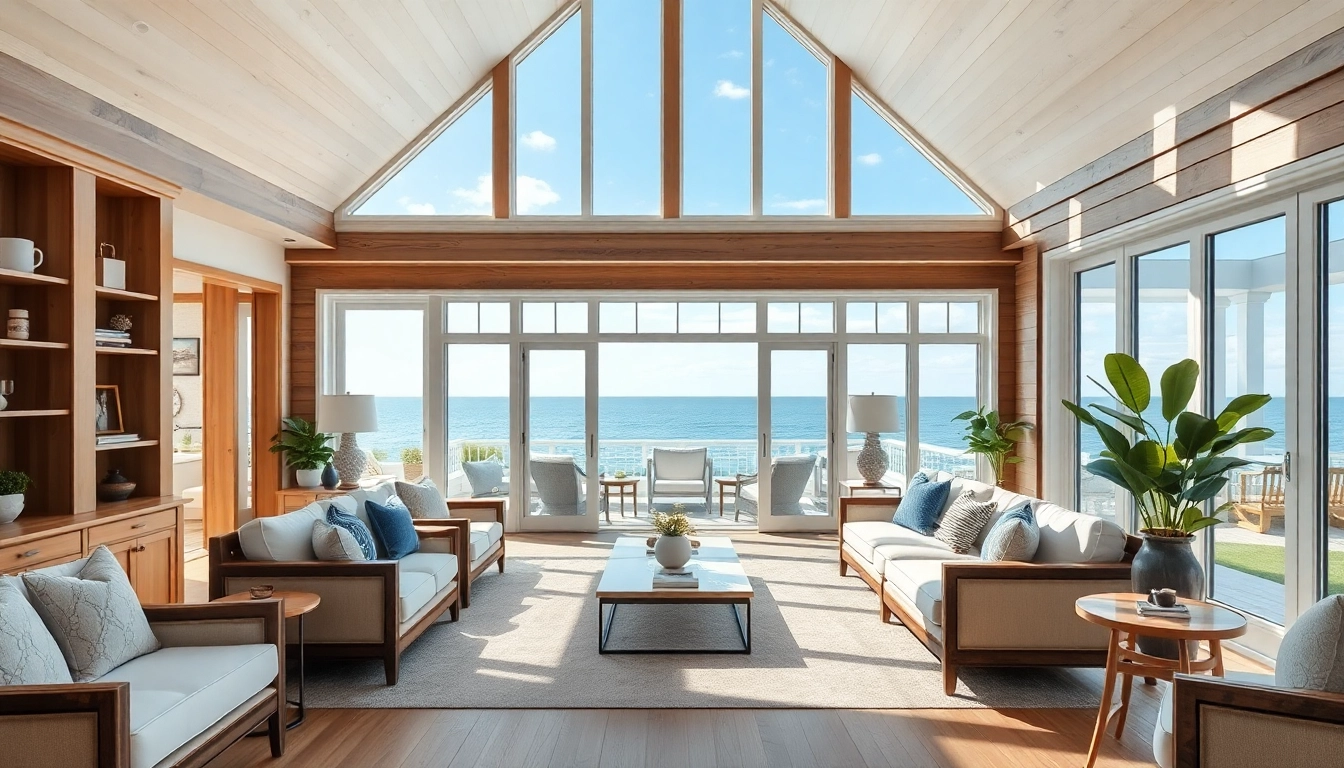
Understanding Cape Cod Home Addition Options
Different Types of Cape Cod Home Additions
When considering a cape cod home addition, it's essential to explore various styles that can enhance your existing structure. Common types of additions include:
- Family Room Additions: Ideal for growing families, these spaces provide extra room for leisure activities and gatherings.
- Bedroom Extensions: Transforming your home by adding a new bedroom can be an excellent choice, especially if you need more sleeping space.
- Multi-Story Additions: If land is limited, expanding vertically can be a smart solution. Adding a second floor can drastically increase usable space.
- Sunrooms or Four-Season Rooms: These bright, inviting spaces offer a connection to the outdoors, perfect for enjoying warm weather.
- Garages: An attached or detached garage can significantly improve functionality, providing storage for vehicles and other belongings.
Assessing Your Needs for a Cape Cod Home Addition
Before diving into your project, it’s crucial to evaluate your specific needs. Ask yourself questions like:
- What is the primary purpose of the addition? Is it for family expansion, leisure, or storage?
- How will the new space integrate with the existing architectural style?
- What is your budget, and how will it impact your design choices?
- Do you need any specific functional features, such as accessibility or energy efficiency?
Creating a comprehensive list of needs and priorities will facilitate smoother planning and execution down the line.
Benefits of Expanding Your Cape Cod Home
A cape cod home addition brings myriad benefits, such as:
- Increased Property Value: A well-planned addition can enhance your home’s market value significantly.
- Improved Functionality: More space can lead to better organization and ease of living, accommodating the evolving dynamics of your household.
- Enhanced Aesthetics: A thoughtfully designed addition can elevate the overall appeal of your property, giving it a fresh and modern look.
- Customization: Expanding allows you to tailor your home to fit your personal style and preferences.
Design Considerations for Your Cape Cod Home Addition
Integrating Style with Functionality
A successful cape cod home addition seamlessly merges style and functionality. Pay attention to:
- Architectural Harmony: Ensure that the new addition complements the existing structure through matching materials, colors, and design elements.
- Purposeful Layout: Prioritize an efficient floor plan that flows naturally into the existing space while serving your intended function.
- Natural Light: Incorporating large windows or skylights can enhance the ambiance and energy efficiency of your addition.
Choosing Materials for Your Cape Cod Home Addition
The choice of materials can make a significant impact on the longevity and aesthetic of your addition. Consider the following:
- Wood Siding: Traditional to Cape Cod style, wood siding offers warmth and character but requires regular maintenance to prevent rot.
- Vinyl Siding: A low-maintenance alternative, vinyl can mimic wood without the upkeep, making it appealing for many homeowners.
- Composite Materials: For decks and patios, composite materials offer durability against weather elements while maintaining visual appeal.
Architectural Styles in Cape Cod Home Additions
Incorporating architectural styles that reflect Cape Cod’s historical charm can elevate your addition. Explore like:
- Shingle Style: Characterized by wooden shingles, this style blends beautifully with coastal aesthetics and provides excellent weather protection.
- Colonial Revival: This timeless style places emphasis on symmetry and classic design elements, ideal for enhancing traditional Cape Cod homes.
- Modern Coastal: This style embraces clean lines and minimalism, often incorporating large glass elements that connect indoor and outdoor spaces.
Planning and Approving Your Cape Cod Home Addition
Obtaining Necessary Permits for Your Cape Cod Home Addition
Before construction can commence, securing the right permits is paramount. The guidelines generally involve:
- Check with your local municipal office to understand zoning laws and regulations.
- Prepare necessary documentation, including plans and specifications, for review.
- Consider any homeowner association rules if applicable.
Budgeting for Your Cape Cod Home Addition
Developing a realistic budget ensures your project stays on track financially. Key budgeting strategies include:
- Get multiple quotes from contractors to compare labor costs and materials.
- Factor in additional expenses such as permits, landscaping, and furnishing the new space.
- Set aside a contingency fund of 10%-20% to cover unexpected expenses during construction.
Hiring Professionals for Your Cape Cod Home Addition
Bringing the right team on board can make or break your project. Important professionals to consider include:
- Architect: An architect can help you design a harmonious addition while maximizing space and functionality.
- Contractor: Finding a reputable contractor is vital for adhering to timelines, budgets, and quality standards.
- Interior Designer: An interior designer can add value by suggesting design trends that integrate with your overall home.
Executing Your Cape Cod Home Addition Project
Construction Phases for Your Cape Cod Home Addition
The construction process typically proceeds through the following phases:
- Site Preparation: This involves clearing the area, digging foundations, and considering environmental factors.
- Framing: Constructing the skeleton of the addition, which includes walls, roofline, and windows.
- Utilities Installation: Plumbing, electrical, and HVAC systems are installed to make the space functional.
- Finishing Touches: This phase focuses on interior and exterior finishes like flooring, siding, painting, and landscaping.
Managing Your Cape Cod Home Addition Timeline
Time management is critical throughout your addition project. Tips for effective timeline management include:
- Establish a clear timeline that defines each phase of the project with specific milestones.
- Communicate continuously with your contractor to address potential delays early.
- Stay flexible, as unforeseen circumstances can arise, requiring schedule adjustments.
Quality Control During Your Cape Cod Home Addition
Ensuring quality throughout the construction process can save you money and heartache later. Implement the following practices:
- Regularly inspect the work completed against your initial plans and specifications.
- Maintain constant communication with your construction team to address any issues on-site.
- Hire an independent inspector for periodic reviews, ensuring compliance with building codes.
Maintaining Your Cape Cod Home Addition
Regular Upkeep for Longevity
Regular maintenance can prolong the lifespan of your cape cod home addition. Essential upkeep tasks include:
- Inspecting roofs for shingles and leaks at least once a year.
- Cleaning gutters regularly to avert water damage.
- Checking for cracks in the foundation and sealing them promptly to prevent moisture intrusion.
Seasonal Maintenance Tips for Your Cape Cod Home Addition
Ensuring your addition endures various seasons involves specific care activities:
- Spring: Prepare outdoor spaces by cleaning up winter debris and planting fresh landscaping.
- Summer: Check for air conditioning function; consider sun protection for added cooling.
- Fall: Inspect heating systems in preparation for cold weather; clean the chimney if necessary.
- Winter: Ensure walkways are clear and well-lit; consider insulation upgrades for energy savings.
Enhancing Sustainability in Your Cape Cod Home Addition
Incorporating sustainable methods into your addition not only benefits the environment but can reduce long-term costs. Areas to focus on include:
- Energy-Efficient Windows: Opt for double or triple-glazed windows to improve insulation.
- Insulation Materials: Use eco-friendly insulation options such as cellulose or spray foam.
- Rainwater Harvesting: Implement systems to capture and reuse rainwater for irrigation and non-potable uses.
FAQs about Cape Cod Home Additions
What permits do I need for a Cape Cod home addition?
You typically need building, electrical, plumbing, and sometimes zoning permits. Check local regulations for specifics.
How long does a Cape Cod home addition take?
The timeline varies, but an addition can take 3 to 6 months. Factors affecting duration include size, complexity, and weather conditions.
How can I finance my Cape Cod home addition?
Options include home equity loans, personal loans, FHA 203(k) loans, or cash-out refinancing depending on your financial situation.
Will my property taxes increase after my addition?
It's likely your property taxes will increase since your home's assessed value may rise after the addition is complete.
Can I live in my home during the addition process?
Yes, many homeowners choose to stay during construction, though it might be noisy or inconvenient at times.