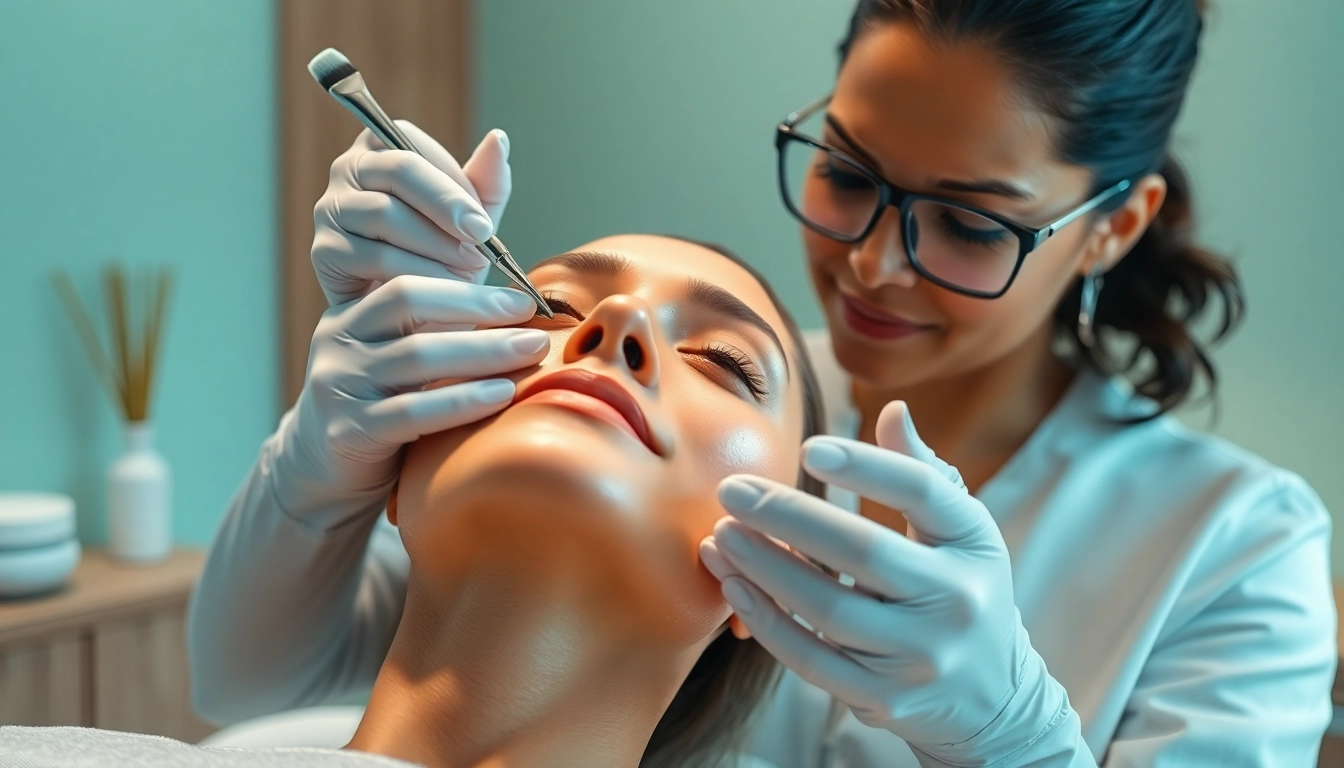
Understanding Hair Transplant Procedures in Turkey
Turkey has emerged as a leading destination for hair transplant procedures, attracting people from around the globe due to its competitive pricing and advanced medical techniques. However, potential patients often wonder about the specifics of these medical procedures, what to expect during the process, and the long-term benefits. When exploring options, hair transplant turkey provides comprehensive insights into various techniques, costs, and clinic options available.
Overview of Hair Transplant Techniques
Hair transplantation primarily involves two techniques: Follicular Unit Extraction (FUE) and Direct Hair Implantation (DHI). FUE entails extracting individual hair follicles from the donor area and implanting them where hair loss has occurred. This method is known for less scarring and quicker recovery time. DHI is similar, but it uses a specialized pen-like tool for implanting hair follicles directly into the scalp. Both methods offer effective results; however, individual preferences and specific circumstances may favor one technique over the other.
Benefits of Choosing Turkey for Hair Restoration
Choosing Turkey for a hair transplant comes with numerous benefits, including affordability, relative accessibility, and a robust healthcare infrastructure. Many clinics in Turkey offer all-inclusive packages that feature pre-operative consultations, post-operative care, and hotel accommodations, making the journey smoother for international patients. Additionally, Turkish clinics are equipped with modern technology and have skilled professionals trained in the latest hair restoration techniques, ensuring high success rates and natural-looking results.
Comparative Costs of Hair Transplants Globally
When comparing hair transplant costs globally, Turkey stands out due to its economical yet high-quality services. The cost for hair transplants in Turkey typically ranges between $950 and $6,000, depending on the number of grafts, the technique used, and the clinic’s reputation. In contrast, similar procedures in countries such as the United States or the United Kingdom can cost upwards of $12,000, making Turkey an attractive option for many seeking hair restoration.
Eligibility for Hair Transplantation
Who Is a Suitable Candidate?
Not everyone is a candidate for hair transplantation. The ideal candidate is generally a male or female experiencing hair loss, with a sufficient quantity of healthy hair follicles available for transplant. Age, health status, and the cause of hair loss will also influence eligibility. Individuals with conditions such as alopecia areata may not qualify, while patients with male or female pattern baldness often see positive outcomes from hair transplants.
Important Pre-Procedure Considerations
Before undergoing a hair transplant, potential candidates should undergo a thorough consultation with a qualified healthcare provider. This includes a detailed medical history, a physical examination of the scalp, and potentially blood work to ensure overall health. Candidates should discuss dietary habits, any medications taken, and family history of hair loss. Such information can significantly affect the success of the transplant.
Understanding Graft Quality and Quantity
Grafts, which are the units of hair follicles transplanted during the procedure, can range from single follicles up to multiple hairs interconnected. The average graft may contain 2-3 hair follicles, which plays a critical role in achieving fullness and a natural appearance post-surgery. A thorough evaluation by a specialist can determine the necessary quantity of grafts based on the patient’s unique hair loss situation and desired density.
Preparation for a Successful Hair Transplant
Steps to Take Before the Procedure
Preparation for a hair transplant is crucial for optimal outcomes. Patients should follow their clinician’s advice, which may include taking certain medications, avoiding alcohol and tobacco, and choosing appropriate clothing on surgery day. It is also recommended to keep hair at a length specified by the medical provider to facilitate extraction. Clear communication between the patient and the medical team can ensure that all necessary preparations are followed.
Medications and Restrictions
Prior to the hair transplant, patients may be prescribed medications to manage discomfort and promote healing. It’s crucial to discuss any ongoing medications or supplements with the healthcare provider, as some may need to be temporarily discontinued to prevent complications during the surgery.
What to Expect on Surgery Day
On the day of the procedure, patients can expect to spend several hours in the clinic. After the initial consultation and final assessment, anesthesia is applied, usually local anesthesia, ensuring a pain-free experience. The extraction of hair follicles either through FUE or DHI method commences, with skilled technicians involved in the process. The entire procedure can last anywhere from 6 to 9 hours, depending on the number of grafts needed.
Post-Transplant Care and Recovery
Essential Aftercare Tips
After the hair transplant, proper aftercare is vital to the healing process and the health of transplanted hair follicles. Patients should avoid touching their scalp and ensure that they follow instructions regarding washing, which typically includes avoiding washing their hair for the first three days. Gentle washing using a recommended technique is crucial for preserving grafts. In addition, protective measures against sunlight exposure and sweat are also recommended to facilitate healing.
Common Recovery Milestones
Recovery time will vary among individuals, but most patients can expect some swelling and soreness for a few days following the procedure. By the end of the first week, patients typically notice scabs forming in the transplanted areas, which are a normal aspect of the healing process. Over the next few months, transplant hair may fall out, which is also normal as the scalp transitions to a new growth cycle. New hair strands will generally begin to grow after about 3 to 6 months.
Long-Term Results and Maintenance
Complete results of a hair transplant become fully visible between 6 to 12 months after the procedure. It is vital for patients to maintain a balanced diet and a healthy lifestyle to maximize the longevity of the results. Regular follow-ups with the clinic will help monitor the success of the procedure and any necessary adjustments in care or additional treatments.
Patient Experiences and Reviews
Testimonials from Hair Transplant Turkey Clinics
Many patients who have undergone hair transplants in Turkey report high satisfaction with their results, praising the professionalism of clinic staff and the natural appearance of their new hair. Testimonials often highlight the cost-effectiveness of the procedures compared to their home countries, combined with the quality of care received. Many clinics encourage sharing of before-and-after photos to showcase transformation and to foster a community of support among patients.
Understanding Patient Expectations
It is essential for patients to have realistic expectations regarding outcomes. While hair transplants can effectively restore a natural hairline and density, individual results will vary based on factors such as hair type, graft number, and personal health. Potential patients should engage sincerely with their medical providers to clarify what is achievable based on their specific circumstances.
Trends in Hair Transplant Tourism in 2026
Hair transplant tourism continues to thrive in Turkey, with an increasing number of international patients seeking procedures annually. For more information, https://www.bukclinic.com/hair-transplant-turkey/ offers valuable insights. In 2026, trends show that patients are becoming more knowledgeable about options and are prioritizing skillful practices and patient care over just cost. The balance between affordability and quality is a driving factor in this past growth, making Turkey a favored choice for individuals seeking hair restoration.