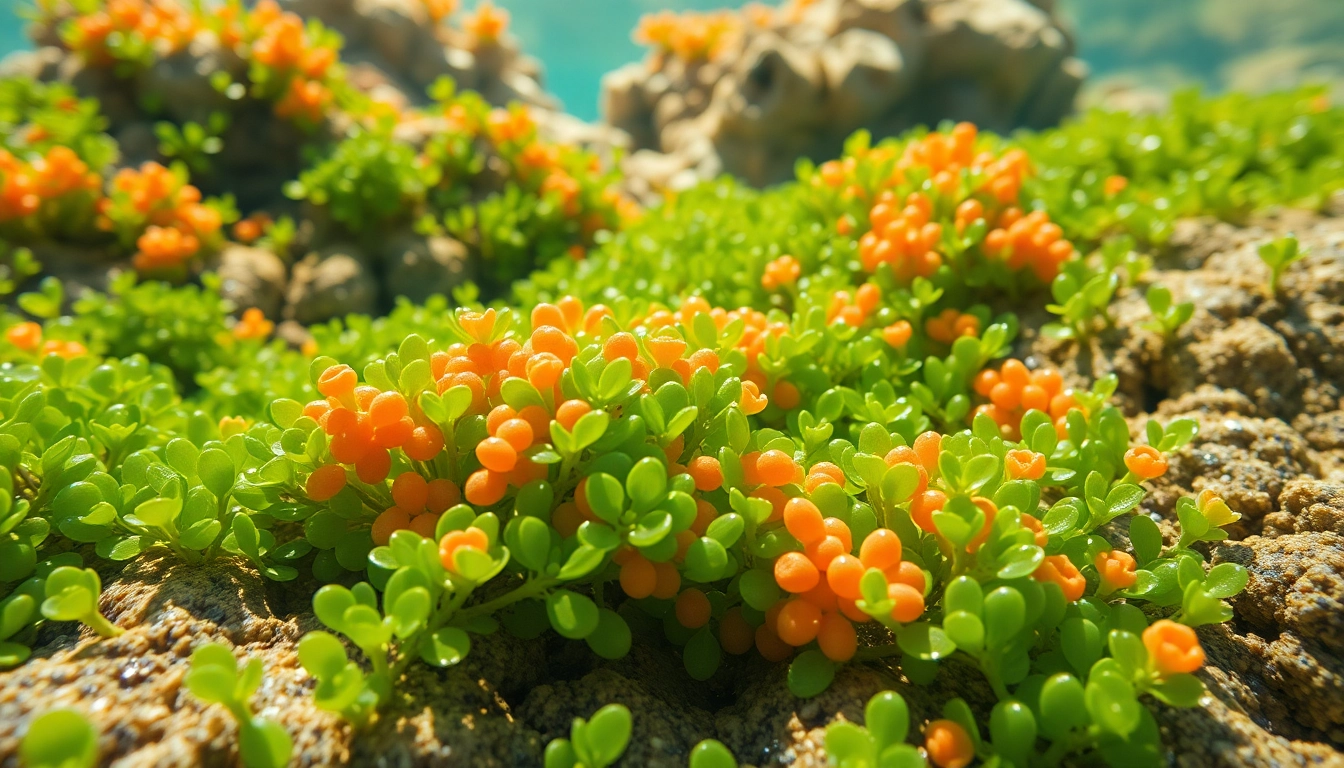
Introduction to microalgae astaxanthin
As our understanding of nutrition and wellness advances, microalgae astaxanthin has emerged as a star player in the realm of health supplements and natural ingredients. This carotenoid compound, derived from specific species of microalgae, is renowned not only for its vibrant red hue but also for its impressive health benefits. In this article, we will delve into the fascinating world of microalgae astaxanthin, exploring its definition, scientific background, historical uses, and much more, ensuring a comprehensive understanding that is both informative and engaging.
What is microalgae astaxanthin?
Microalgae astaxanthin is a naturally occurring carotenoid pigment primarily found in the microalgae Haematococcus pluvialis, as well as in various seafood such as shrimp and salmon. Unlike other carotenoids, astaxanthin boasts a unique molecular structure that allows it to offer exceptional antioxidant properties, potentially combating oxidative stress at a cellular level. Its striking red-orange color is not only visually appealing but also indicative of its powerful biological activity.
The science behind microalgae astaxanthin
The efficacy of microalgae astaxanthin can be attributed to its potent antioxidant capabilities, making it significantly more effective than other antioxidants such as vitamin C, vitamin E, and beta-carotene. Research suggests that astaxanthin can cross the blood-brain barrier and the blood-retinal barrier, providing neuroprotective and ocular benefits. Its structure, with its unique conjugated double bond system, allows it to neutralize free radicals efficiently, thus protecting cells from damage.
Historical uses of microalgae astaxanthin
Historically, astaxanthin has been utilized beyond mere dietary supplements. Indigenous cultures that consumed marine life rich in astaxanthin recognized its health benefits. In various cultures, foods derived from astaxanthin-rich sources were believed to enhance vitality. In recent decades, the use of astaxanthin has expanded significantly into health supplements and cosmetics, highlighting its evolving recognition in both modern science and ancient practices.
Health Benefits of microalgae astaxanthin
The health benefits of microalgae astaxanthin are extensive, capturing the attention of researchers and wellness enthusiasts alike. From skin health to eye care, this remarkable compound has a diverse range of applications supported by scientific studies.
Antioxidant properties of microalgae astaxanthin
At the forefront of microalgae astaxanthin’s benefits are its astonishing antioxidant properties. Studies have demonstrated that it is significantly more effective at neutralizing free radicals than many other antioxidants, helping to protect against oxidative stress. This ability may reduce the risk of chronic diseases, enhance immune function, and improve overall health. Astaxanthin works at the cellular level, promoting cellular health and longevity.
Potential impacts on skin health
Astaxanthin is increasingly recognized for its positive effects on skin health. Research indicates that it can provide protection against the harmful effects of UV radiation, which can lead to premature aging, skin discoloration, and other skin issues. Its anti-inflammatory properties may also improve overall skin texture and elasticity, making it a sought-after ingredient in skincare products. Many organizations advocate its use for reducing the appearance of fine lines and improving skin hydration.
Effects on eye health and vision
Eye health is another area where microalgae astaxanthin shines brightly. Its ability to penetrate eye tissues allows it to protect the retina from oxidative damage, which may help prevent age-related macular degeneration and other vision-related issues. Studies suggest that astaxanthin may improve visual acuity and reduce eye fatigue, particularly in individuals who spend long hours in front of screens. Its comprehensive benefits make it an attractive option for those seeking to maintain optimal eye health.
Sources and Production of microalgae astaxanthin
Understanding the sourcing and production of microalgae astaxanthin is crucial for consumers who want to harness its health benefits while considering sustainability and ethical practices.
Natural vs synthetic sources of microalgae astaxanthin
Microalgae astaxanthin can be derived from natural sources, primarily through the cultivation of microalgae species like Haematococcus pluvialis, or synthetically produced through chemical processes. Natural sources are often preferred due to their purity and the absence of harmful additives. However, synthetic astaxanthin can offer a cost-effective solution for manufacturers, though it may lack some health benefits found in naturally derived astaxanthin.
Methods of extraction and processing
The extraction process of astaxanthin from microalgae is a critical step that determines its potency and quality. Common methods include solvent extraction, supercritical CO2 extraction, and cold pressing. Supercritical CO2 extraction is regarded as the most efficient, yielding high-purity astaxanthin without leaving harmful residues. Post-extraction, astaxanthin is often formulated into capsules, oils, or powders for convenient consumption.
Environmental impacts of sourcing microalgae astaxanthin
Sustainable practices are vital when sourcing microalgae astaxanthin to minimize environmental impacts. Cultivating microalgae can be environmentally friendly when conducted in controlled environments that limit land use and resource depletion. Implementing eco-friendly systems enhances biodiversity and reduces carbon footprints. Consumers are increasingly encouraged to seek out brands that prioritize sustainable sourcing to support healthier ecosystems.
Applications of microalgae astaxanthin
Microalgae astaxanthin’s versatility extends across various industries, making it a valuable ingredient in multiple products.
Microalgae astaxanthin in dietary supplements
One of the most common applications of microalgae astaxanthin is in dietary supplements. Its antioxidant and anti-inflammatory properties make it an attractive choice for those looking to enhance their overall wellness. Available in capsules, soft gels, and powders, these supplements are often promoted for their health benefits, including promoting skin health and boosting energy levels.
Role in cosmetics and skincare
In the cosmetics industry, microalgae astaxanthin is emerging as a powerhouse ingredient. Recognized for its anti-aging properties, it is increasingly found in creams, lotions, and serums aimed at improving skin vitality and fighting signs of aging. Its use in skincare products aligns well with consumer demand for clean, natural ingredients, positioning it as a sought-after component for innovative formulations.
Use in food and beverages
Beyond supplements, microalgae astaxanthin is also making its mark in the food and beverage industry. Its vibrant color and health benefits allow it to be used as a natural coloring agent in a variety of products, from beverages to snack foods. As consumers seek healthier alternatives, incorporating microalgae astaxanthin in food products can enhance both aesthetic appeal and nutritional value.
Future Perspectives on microalgae astaxanthin
The future of microalgae astaxanthin appears promising, with ongoing research and innovation paving the way for broader applications and improved formulations.
Research trends and innovations
Current research is focusing on unlocking further benefits of microalgae astaxanthin, with studies exploring its effects on metabolic health, cardiovascular function, and cognitive performance. Innovations in extraction methods and bioavailability are also being investigated to enhance its efficacy. As new applications are discovered, microalgae astaxanthin could play an integral role in developing cutting-edge health solutions.
Market opportunities for microalgae astaxanthin
The market for microalgae astaxanthin is experiencing growth, fueled by an increasing consumer preference for natural and health-promoting products. New trends in personalized nutrition and clean label demands are expected to lead to fresh market opportunities for brands that offer high-quality, sustainably sourced microalgae astaxanthin. The potential for expansion into new product categories can further propel its presence in the health and wellness marketplace.
Challenges and considerations for consumers
As the popularity of microalgae astaxanthin grows, consumers should be discerning about their choices. The cost of high-quality natural astaxanthin may be higher than synthetic alternatives, leading to potential confusion in the marketplace. It is essential for consumers to educate themselves about sourcing and quality testing to ensure they are investing in products that deliver authentic benefits without unnecessary additives.
FAQs
What is microalgae astaxanthin?
Microalgae astaxanthin is a powerful antioxidant compound derived from certain algae species, known for its vibrant color and health benefits.
How does microalgae astaxanthin benefit skin health?
Microalgae astaxanthin protects skin from UV damage, improving elasticity and reducing signs of aging.
Can I obtain microalgae astaxanthin naturally?
Yes, microalgae astaxanthin can be found in dietary sources such as certain seafood and dietary supplements derived from algae.
Is microalgae astaxanthin safe to consume?
Microalgae astaxanthin is generally recognized as safe; however, consult a healthcare provider for tailored advice.
What are the environmental impacts of sourcing microalgae astaxanthin?
Sustainable sourcing practices are crucial to minimize environmental impacts, focusing on eco-friendly cultivation methods.