Understanding Microalgae Astaxanthin
What is Microalgae Astaxanthin?
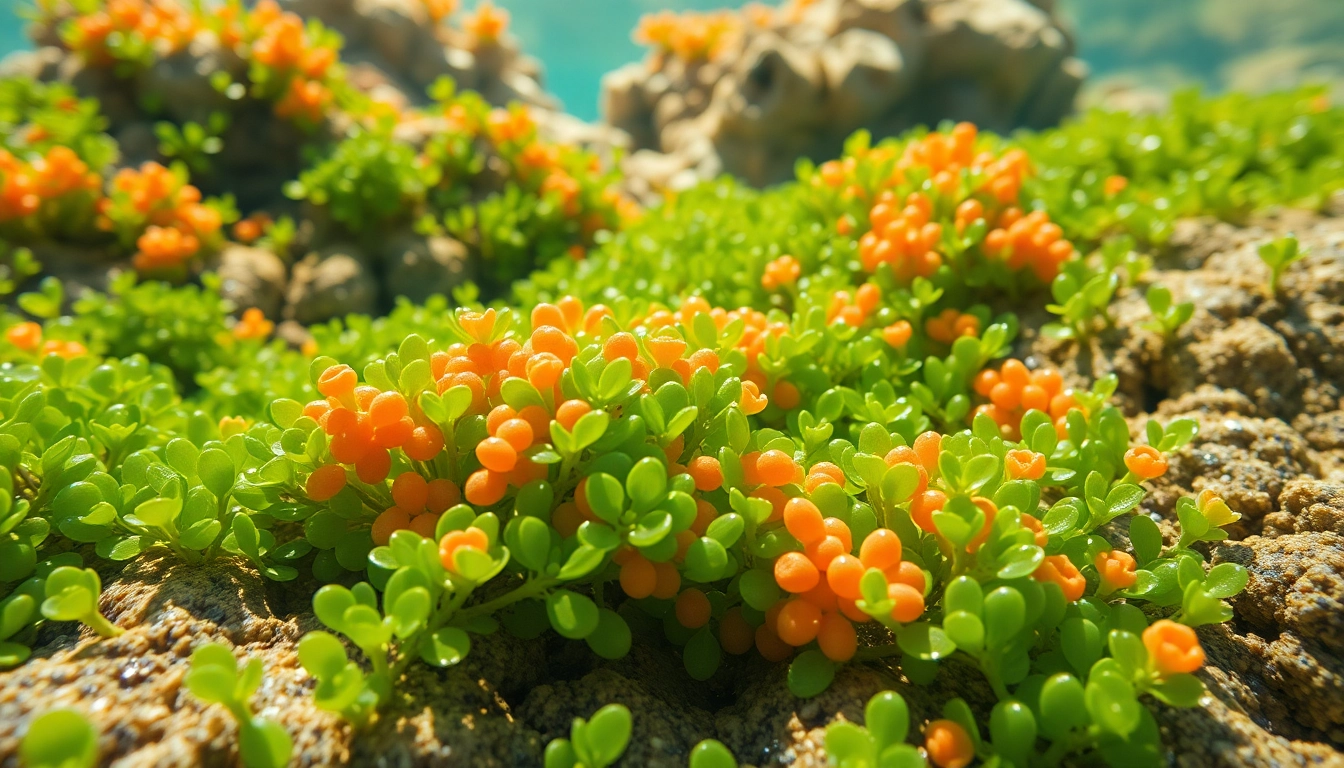
Microalgae astaxanthin is a powerful carotenoid pigment produced by certain species of microalgae. Its vibrant red color is not only stunning but also signifies its remarkable antioxidant properties. Found predominantly in the microalgae Haematococcus pluvialis, astaxanthin is gaining recognition for its health benefits and applications in dietary supplements and cosmetics. As a component of healthy diets, this compound plays a crucial role in enhancing well-being. For more insights about microalgae astaxanthin, exploring its various aspects can illuminate many of its beneficial properties.
Natural Sources and Production
Astaxanthin is primarily sourced from microalgae, specifically Haematococcus pluvialis, which accumulates high amounts of this pigment under stressful conditions such as high light intensity or nutrient starvation. These microalgae are often cultivated in controlled environments to maximize yield. Additionally, astaxanthin can be found in various seafood sources, including shrimp, crabs, and salmon, where it contributes to their distinctive coloration. The demand for natural astaxanthin has led to increased interest in sustainable aquaculture and innovative farming methods that prioritize environmental care alongside production efficiency.
Health Benefits of Astaxanthin
The health benefits of astaxanthin are multifaceted, with studies highlighting its potential effects on cardiovascular health, skin protection, and immune support. As a potent antioxidant, astaxanthin helps combat oxidative stress, reducing cellular damage caused by free radicals. Research indicates that it may improve skin elasticity, hydration, and overall appearance, making it a sought-after ingredient in cosmetics. Furthermore, astaxanthin is thought to enhance exercise performance by improving endurance and reducing muscle fatigue post-exercise, making it a popular choice among athletes.
Nutrition Profile of Microalgae Astaxanthin
Vitamins and Nutrients
Microalgae astaxanthin is not only significant because of its antioxidant properties; it is also packed with essential vitamins and nutrients. Typically, astaxanthin is accompanied by a range of carotenoids, unsaturated fatty acids, and various mineral elements such as magnesium and iron that contribute to overall health. The presence of these nutrients enhances the bioavailability of astaxanthin, allowing the body to absorb and utilize its benefits more effectively.
Comparative Analysis with Other Antioxidants
Compared to other well-known antioxidants like Vitamin C, Vitamin E, and beta-carotene, astaxanthin stands out for its strength and effectiveness. It has been reported that astaxanthin is about 6000 times more effective than Vitamin C in neutralizing free radicals. This extraordinary capacity makes it a superior choice for combating oxidative stress and supports the body’s ability to maintain overall health and protect against chronic diseases.
Bioavailability Insights
Bioavailability refers to the degree and rate at which a substance or active ingredient is absorbed and becomes available at the site of action. Studies have indicated that astaxanthin has a relatively high bioavailability due to its lipid-soluble nature, which facilitates absorption in the gastrointestinal tract. Strategies such as pairing astaxanthin with dietary fats in supplements can further enhance its bioavailability, optimizing its efficacy as an antioxidant and health promoter.
Applications in Health and Wellness
Microalgae Astaxanthin in Dietary Supplements
The incorporation of microalgae astaxanthin into dietary supplements is a growing trend in the health and wellness industry. Capsules and soft gels containing astaxanthin provide an accessible way for individuals to harness its benefits without needing to consume high quantities of seafood. The supplement form is especially popular among individuals looking to improve their skin health, endurance, and overall vitality. Regular intake can significantly contribute to healthier aging by mitigating the effects of oxidative stress and promoting cellular repair mechanisms.
Role in Skin Health and Beauty Products
Astaxanthin has marked its presence in the beauty industry due to its remarkable skin-enhancing properties. It is touted for its ability to reduce the appearance of fine lines, improve skin elasticity, and protect against sun damage. Its unique molecular structure allows it to penetrate deep into the skin, providing both hydration and a shield against UV-induced oxidative stress. Consequently, many skincare brands incorporate astaxanthin into serums, creams, and lotions, making it a potent ally in the quest for youthful, radiant skin.
Impact on Athletic Performance
Astaxanthin has garnered attention from the athletic community for its potential to enhance performance and accelerate recovery. Research has shown that it may improve endurance, increase fat oxidation during activities, and reduce exercise-induced muscle damage. This makes it an appealing supplement for athletes seeking to optimize their training, reduce fatigue, and support recovery times. Furthermore, integrating astaxanthin into a balanced diet can contribute significantly to achieving athletic goals.
Environmental and Sustainable Aspects
Eco-Friendly Production Methods
With sustainability being a crucial concern in today’s world, the production of microalgae astaxanthin offers eco-friendly alternatives to synthetic pigment sources. Cultivating microalgae requires minimal land and water compared to traditional agriculture and significantly lowers carbon footprints. Techniques such as photobioreactors enhance efficiency and optimize resource use, making this a sustainable option for producing high-quality astaxanthin while adhering to environmental stewardship.
Contributions to Biodiversity
The cultivation of microalgae plays a vital role in supporting ecosystems by providing oxygen and enhancing biodiversity. By developing algal farms, not only is astaxanthin produced sustainably, but habitats for various aquatic species are also preserved. This dual benefit emphasizes the importance of microalgae in maintaining ecological balance, emphasizing that environmentally-conscious production practices can coexist with human health advancements.
Future of Microalgae in Sustainable Practices
As the health and wellness industries continue to evolve, microalgae are positioned to play a pivotal role in sustainable practices. With innovations in cultivation and processing, the future looks promising for microalgae-derived products like astaxanthin. Ongoing research into the benefits of microalgae and advancements in biotechnology could further enhance its applications, leading to a larger footprint in health supplements and various industries. The commitment to sustainable practices ensures that the benefits of microalgae extend well beyond personal health, positively influencing environmental well-being.
Common Questions About Microalgae Astaxanthin
Safety and Side Effects
Microalgae astaxanthin is generally considered safe for consumption. Some individuals may experience mild side effects such as digestive upset or a slight change in skin color when taken in excessive amounts. It is always advisable to follow recommended dosages and consult a healthcare professional before starting any new supplement regimen.
How to Incorporate Astaxanthin into Your Diet?
Incorporating astaxanthin into your diet can be achieved through supplementation or by consuming astaxanthin-rich foods like salmon, shrimp, and microalgae powder. Aim for a balanced diet that allows for synergistic absorption with dietary fats, optimizing its health benefits. Always consult a dietitian for personalized nutritional advice.
Where to Buy Quality Microalgae Astaxanthin?
Quality microalgae astaxanthin can be purchased from health food stores, online supplement retailers, or through direct manufacturers specializing in algae products. Look for products that are third-party tested for purity and potency to ensure you are getting high-quality astaxanthin.
Is Astaxanthin Vegan-Friendly?
Yes, astaxanthin derived from microalgae is considered vegan-friendly as it comes from a plant source. However, it is essential to check the label for any additives or formulations that might not be plant-based before choosing a product.
Can Astaxanthin Help with Eye Health?
Research suggests that astaxanthin may be beneficial for eye health, potentially offering protection against age-related macular degeneration and improving visual acuity. Its antioxidant properties help combat oxidative stress in ocular tissues, promoting overall eye health.